
How Kindness Shapes Classrooms, Communities, and Careers
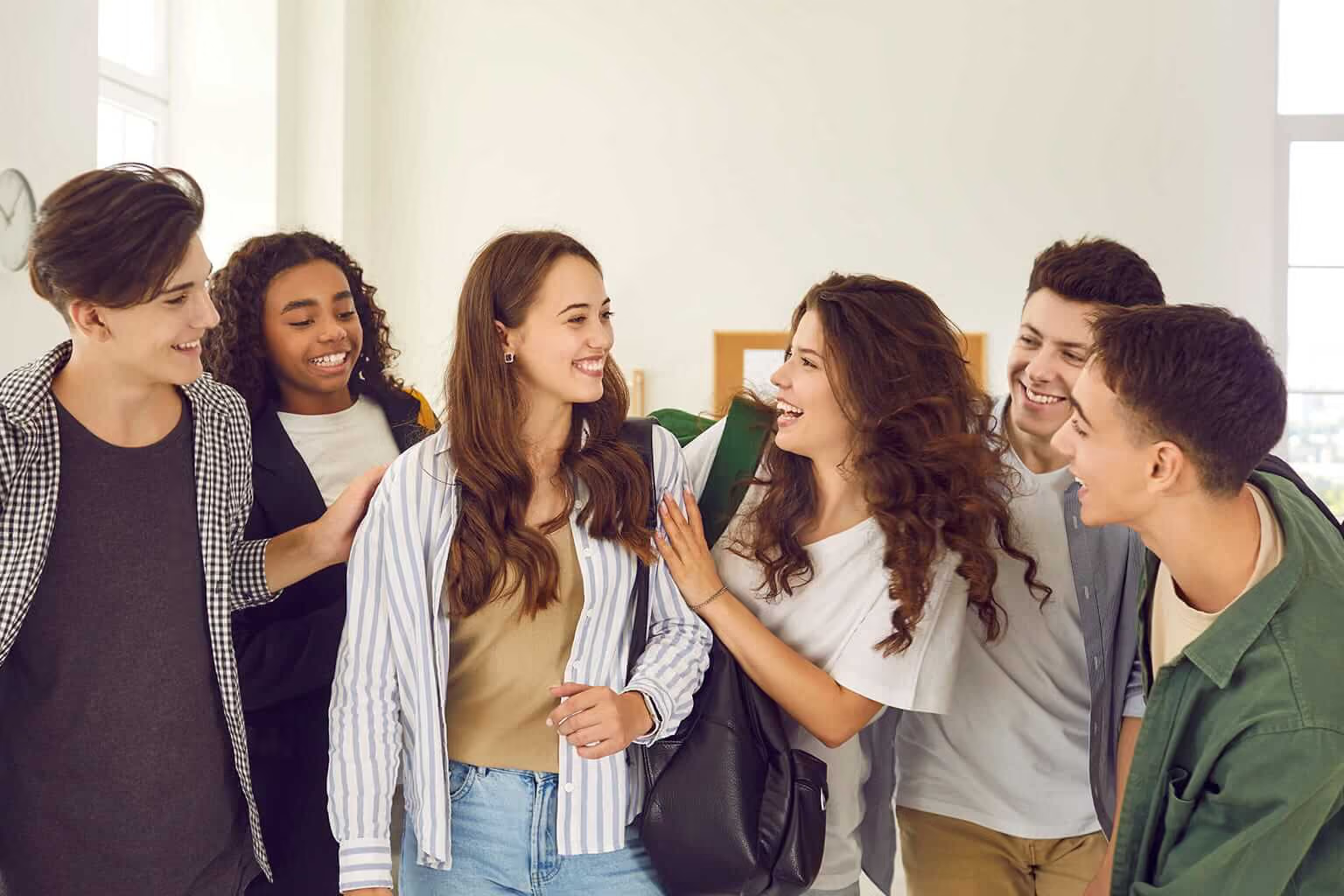
A student notices a classmate sitting alone during lunch. They could walk past. They could assume someone else will stop. Instead, they pause, ask if their classmate is okay, and invite them to join the group. It only takes a few seconds, but that small act can change how a student feels about their entire school day.
It may be just a brief moment, but moments like these shape the kind of classroom community students experience every day.
Kindness is often thought of as something students either have or don’t have. But kindness is more than a personality trait. It’s a human skill that can be practiced and developed over time.
Through opportunities and experiences that build empathy, perspective-taking, communication, and emotional awareness, students can learn how to recognize others’ feelings, respond with care, and create more positive relationships with the people around them.
And those skills extend far beyond the classroom. They shape how students build relationships with peers, interact with teachers, and collaborate with others throughout their career.
Kindness starts with understanding others
Often, before students can show kindness, they need to understand what someone else might be experiencing.
Empathy helps students look past their own point of view and consider another person’s thoughts, feelings, and needs. It helps them ask questions like:
- How might this person be feeling?
- What could they need right now?
- How would I want someone to respond to me?
These moments of perspective-taking help students become more thoughtful classmates and stronger communicators. They learn that kindness is not just about being polite. It’s about recognizing others, responding with compassion, and building meaningful connections.
Kindness creates stronger classroom communities
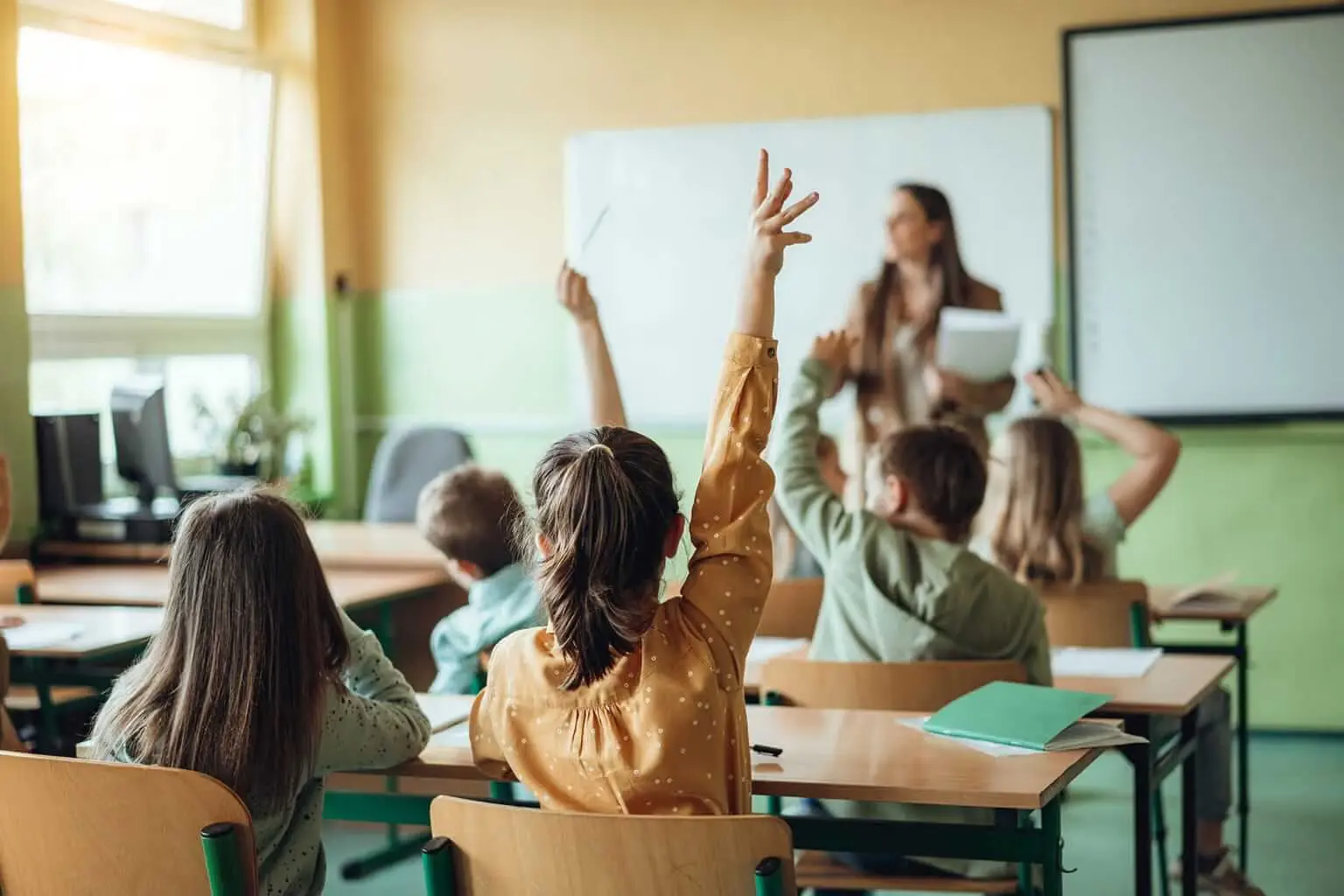
A positive classroom climate is built through consistent, everyday interactions between students and educators.
Intentionally teaching human skills can strengthen more than relationships. It can also support learning and classroom success. In fact, a comprehensive meta-analysis found that students who participated in human skills interventions showed improvements in emotional skills, prosocial and externalizing behaviors, school functioning, and academic achievement.
When students practice empathy and kindness, they’re better equipped to work through disagreements, include others, and engage positively with their schoolwork.
Simple classroom moments can become opportunities to practice these skills:
- A student listens when a peer shares an idea.
- A group works through a disagreement respectfully.
- A classmate encourages someone who is struggling.
- A student recognizes when someone needs support and chooses to help.
These actions may seem small, but together they create a positive climate where students feel welcomed, valued, respected, and connected.
Kindness requires emotional awareness
Showing kindness is not always easy, especially when students are experiencing strong emotions.
A student who feels frustrated during group work might need to pause before responding. A student who feels left out might need support finding a way to reconnect. A student who misunderstands a peer’s actions might need help seeing the situation from another perspective.
Human skills like emotion regulation help students manage those moments with greater awareness. When students understand their own emotions, they’re better prepared to recognize emotions in others and respond in ways that strengthen relationships rather than create conflict.
Learning to pause, reflect, and choose a thoughtful response is a skill students can use in friendships, family relationships, future workplaces, and every interaction in between.
Four WestEd studies involving more than 25,000 students found that those who participated in Second Step® K–8 digital programs showed improved behavior, attendance, skills for learning, academic performance, and perceptions of school climate.
Kindness prepares students for life in and out of the classroom
The ability to collaborate, communicate, and understand others is valuable in every stage of life.
In the classroom, kindness and empathy help students become better partners and teammates. In future careers, it helps them collaborate across different perspectives, solve problems, and build trust with colleagues and communities.
Employers increasingly recognize the importance of these human skills. Technical knowledge may help someone complete a task, but the ability to communicate, listen, and work effectively with others helps people succeed together.
The World Economic Forum’s Future of Jobs Report identifies resilience, empathy, self-awareness, and active listening among the top core skills employers value in today’s changing workplace.
By practicing skills like kindness and empathy throughout their education, students are developing skills that support not only academic success but also their ability to navigate relationships and challenges throughout life.
Creating a climate where kindness grows
Kindness grows when students have opportunities to practice it every day.
Class discussions, collaborative activities, role-playing scenarios, and intentional human skills instruction all give students a chance to strengthen empathy, communication, and relationship-building skills.
When schools prioritize strengthening these skills, they cultivate environments where students feel safe to be themselves, supported by their peers, and ready to learn. Because a caring classroom is not created by one kind act. It’s built through everyday choices to listen, understand, and support one another.
Kindness may start with a single moment, but the skills behind it can shape a student’s relationships, classroom experience, and future.
Ready to create more connected classrooms?
Explore the evidence-based Second Step districtwide solution or request a demo to see how you can support students with engaging instruction designed to meet the unique needs of your classroom, school, or district.
Recent Posts
How Implementation Data Is a Window into What Works—and What Doesn’t
Always On but Never Connected: The Digital Divide Between Students