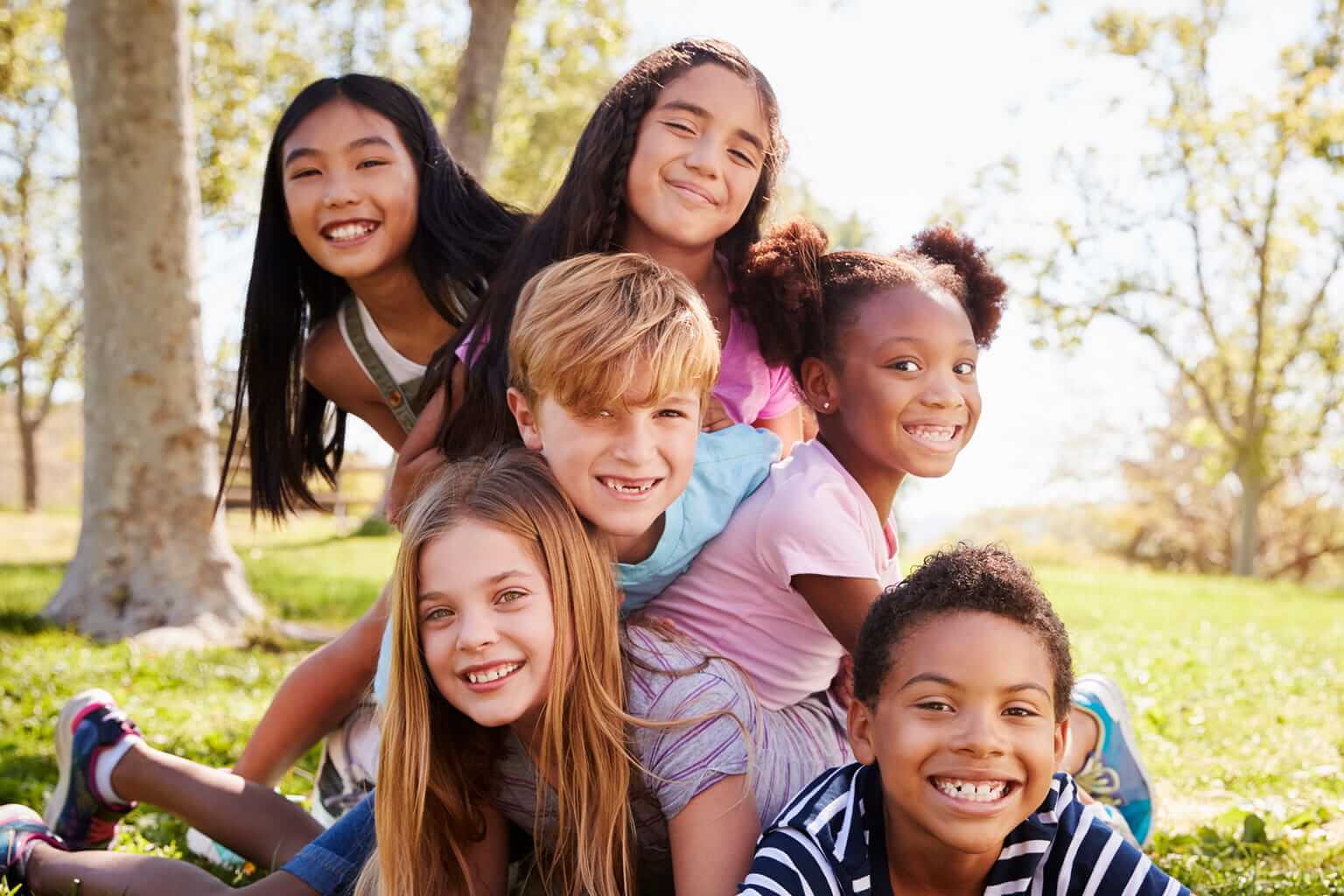

How to Help Students Grow Gratitude in Every Season

In every season of a student’s life, gratitude is a gift. As they grow and the world changes around them, gratitude acts as a foundation they can return to in any situation, good or bad. It helps them keep the highs and lows of life in perspective, remain present, and remember how much good is already in their lives—in their families, friendships, and school communities. While not a designated human skill, gratitude is an emotional mindset that goes hand in hand with many core human skills, such as growth mindset and resilience.
While gratitude comes naturally to some students, developing a mindset of consistent gratitude takes practice. Kids can start learning gratitude at any level, and there’s no age limit on teaching gratitude. However, unlike calculating the area of a triangle, you can’t just think your way to gratitude. Authentic gratitude requires emotional reflection. But when it takes root as a daily practice, it can become one of the most powerful feelings a student can have.
Gratitude is transformative, a catalyst that can turn difficult experiences and feelings into opportunities to see the good things happening all around. It’s the difference between a deficit mindset and an abundance mindset, between “I want more” and “I have more than enough.”
To give students the gift of gratitude, educators have to give them opportunities to grow it. Let’s dive into four simple strategies to help students build gratitude in your school community this and every season.
Create environments where emotions are welcome
To develop the ability to feel and practice gratitude, kids need environments where their emotions in general have room to exist. This means creating learning environments where big feelings are welcomed as a normal, healthy party of life.
When students are allowed to feel and express both positive and negative feelings, they begin to develop the ability to work through and process them, which is essential to developing the baseline foundation of gratitude. Again, gratitude isn’t instant. For children and adults alike, it’s an emotional and mental process that takes time and practice.
Gratitude tip: Before jumping straight to encouraging gratitude, give students regular opportunities to express how they’re feeling. Once those emotions have room to breathe, you can encourage them to also reflect on all the things they’re grateful for. Instead of ignoring hard things, gratitude helps kids keep them in perspective by remembering the bigger, more positive picture.
Start simple, and watch gratitude grow
Gratitude doesn’t always have to be about big, major things in a child’s life. In fact, it can be hard for students of any age to grasp the significance of their privileges, whatever they may be. To foster gratitude, encourage kids to look around and notice the simple things they’re grateful for. Warm shoes on your feet on a cold day? There’s one. A friend to play soccer with at recess? There’s another. A sweet treat in your lunch box? That’s a double.
Building a regular, even daily practice of noticing, writing down, and sharing simple things to be grateful for helps kids build the fundamental mental process required for deeper gratitude.
Gratitude tip: Start the day with a gratitude list or share-out of two or three simple things. This helps kids start the school day with an attitude of appreciation, not entitlement.
Prioritize gratitude on difficult days
It’s one thing to practice gratitude when everything is going well. But it’s far more difficult—and more impactful—for kids to be grateful when things are hard. The academic calendar is full of challenging moments, whether it’s standardized testing or a day of rigorous new content. Use these difficult days as opportunities for students to make the emotional leap from genuine struggle to authentic gratitude.
Gratitude tip: Schedule gratitude time at the beginning or end of especially difficult school days. Give kids time to reflect honestly about their experience, then have them come up with one thing, big or small, for which they’re grateful. With time and repetition, shifting their thinking from something difficult to something consistently good becomes a habit.
Make gratitude a community activity
Gratitude grows when it’s shared. When students hear what their peers and teachers are grateful for, it broadens their own sense of what’s worth noticing, and it builds the kind of classroom community where appreciation becomes contagious.
A student who hears a classmate express gratitude for something small and ordinary is more likely to recognize that same thing in their own day. And when teachers model gratitude authentically, students see that it’s a practice for everyone, not just something to check off a list.
Gratitude tip: Create a shared gratitude space in your classroom, such as a bulletin board or a shared journal, where students can contribute regularly. Making gratitude visible and communal reinforces that it isn’t just an individual mindset but a shared value.
Fostering gratitude with Second Step® programs
Gratitude doesn’t exist in a vacuum. It grows alongside other human skills: the ability to recognize and name feelings, the capacity for empathy, the resilience to find good things even in hard moments. These are exactly the kinds of skills that Second Step programs are designed to strengthen.
By giving students consistent, structured opportunities to develop their emotional awareness, practice empathy, and reflect on their own experiences, Second Step programs help create the conditions in which gratitude can take root and grow. When students feel emotionally equipped, connected to their peers, and safe to express how they’re feeling, gratitude often follows naturally.
This season and every season, the greatest gift we can give students is a classroom community where they can experience, share, and strengthen gratitude. To learn more about how Second Step programs can foster gratitude and core human skills, request a demo today.
Recent Posts
Navigating New Tech Policies, Device Bans, and Screen Time Restrictions

Better Problem-Solving Starts with Strong Human Skills