Navigating New Tech Policies, Device Bans, and Screen Time Restrictions
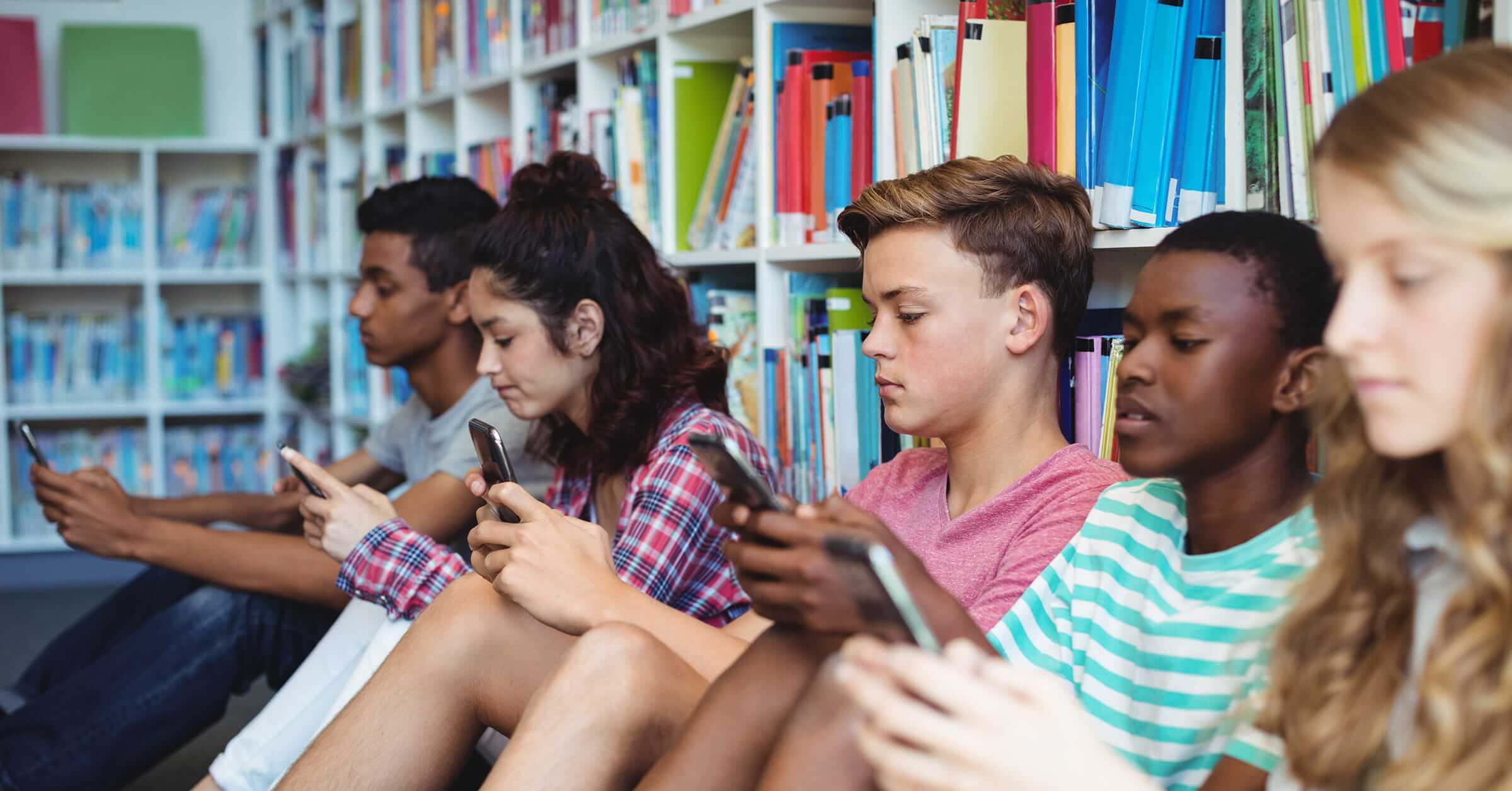
In the last year, policies restricting cell phones, limiting screen time, and managing AI in schools have gained momentum across the country.
To help educators and families understand these policies, let’s take a detailed look into the different types of tech-related policies taking shape across the country, ranging from responsible AI use to outright bans on electronic devices in schools.
First, here’s a quick overview of the different types of policies related to student tech use that we’ll go through:
- State cell phone or personal device policies
- State school screen time policies
- AI use in schools policies
Putting devices on hold: State cell phone or personal device policies
When it comes to cell phones and personal devices, policies differ by state, district, and school. Some policies are mandated; some are voluntary. States and districts may define personal devices differently, which affects the application of the policy. It could cover devices including smart watches, tablets, and laptops. It could cover all cell phones, or it could cover just smartphones.
For example, Utah’s legislation enacted in 2026 defines cell phones, emerging technology, and smart watches and prohibits students from using any of them during school hours with certain exceptions. Meanwhile, California’s legislation enacted in 2024 specifies that districts must develop and adopt a policy to limit or prohibit students’ use of smartphones.
Additionally, the type of ban or restriction may be different. Devices may be banned from school campuses entirely, only during school hours (including lunch and breaks), or only during instructional or class time. There also may be requirements for storing or turning phones off during restricted times or areas.
For example, Virginia enacted legislation in 2025 that restricts student cell phone and smart device possession and use on school property from bell to bell, which includes lunch and between class periods. Wisconsin’s legislation enacted in 2025 requires districts to adopt a policy that prohibits students from using a wireless communication device, other than a school-issued device or during instructional time. North Dakota’s legislation enacted in 2025 requires school districts to adopt policies to require students’ personal electronic communication devices to be silenced or turned off, securely locked away, and inaccessible during instructional time.
Mandates on policy creation—without strict requirements
Some states require or encourage districts to come up with their own policy, but they may or may not outline what should be in that policy. Colorado’s legislation enacted in 2025, for instance, requires school districts to adopt and implement policies concerning student communication device possession and use during the school, but the legislation doesn’t specify requirements for the policy.
Exceptions for instructional time or school-issued devices
For the most part, these policies largely pertain to personal devices, not school-issued devices, or they have exceptions for the use of devices for educational or instructional purposes. North Carolina’s legislation enacted in 2025 requires school districts to establish a wireless communication policy and says that those policies must allow the use of a device if authorized by a teacher for educational purposes, among other exceptions.
Other common exceptions to device restrictions include health purposes, emergency situations, and accommodation or accessibility purposes. Michigan’s legislation enacted in 2026 provides that wireless communication device policies must provide exemptions for medically necessary devices, district-owned devices, devices designated by the district for instructional purposes, devices used for special education programming or provided as an accommodation for 504 plans or IEPs, and emergency situations (but use must not interfere with emergency protocols or first responders or endanger students or faculty).
Screening the screens: School screen time policies by state
Several states have enacted restrictions on school-issued devices and instruction using technology.
Alabama restricts screen time in early childhood education settings. California prohibits schools from requiring students in kindergarten or transitional kindergarten to take home school-issued devices. Iowa prohibits students in K–grade 5 from having more than 60 minutes of digital instruction per day with certain exceptions. Tennessee requires local education agencies to adopt policies that govern the age-appropriate and instructional use of digital devices by students to minimize unnecessary screen time. Utah requires local education agencies to minimize non-essential screen time and ensure classroom technology is valuable, effective, and not a substitute for instruction, among other provisions.
Many more states have considered this issue, are considering it, and will likely consider it in the upcoming state legislative sessions. A Pennsylvania House Resolution introduced this year would direct the Legislative Budget and Finance Committee to carry out a performance audit on public school policies and procedures related to the amount of screen time students are allowed during the school day. A bill introduced in New Jersey would require the Commissioner of Education to develop guidelines for students in K–grade 12 that are age-appropriate and grade-differentiated concerning the use of developmentally appropriate instructional technology.
These policies are more complicated and have much broader implications for educators, students, school districts, and families, as schools have integrated different forms of technology into school ecosystems for decades. Some restrictions are focused on younger children, while some are applicable across more grade levels. Some policies are focused on studying screen time in schools and classroom technology and/or developing guidance on instructional technology used in classrooms.
Policies to manage AI use in schools
The use of artificial intelligence products, platforms, and features in schools and classrooms is an emerging policy area that will likely continue to be considered in state legislatures. While states consider the many facets and implications of AI in our society, school districts are currently setting policies on this issue.
For example, New York City Public Schools bans student-facing artificial intelligence for students in elementary and middle school, while Boston Public Schools aims to ensure AI-fluency in schools.
Building learning environments with connection and belonging
Policies limiting technology are becoming more comprehensive across the country. What we’re seeing less of, though, is states actively improving conditions to make schools more engaging, safer places of human connection and belonging for students. State policies on personal electronic devices and more evidence-based approaches to instructional technology may reduce digital distractions, but they don’t necessarily grow the skills that help students excel at building in-person connection or healthy habits to navigate technology.
Technology use in schools should be research- and evidence-based, have age-appropriate parameters, and have intentional and well-considered implementation that aligns with instructional purposes as well as family and community values. But, students will inevitably use emerging technologies and platforms to interact with colleagues, friends, and family. So it’s also necessary to proactively create school environments where positive, healthy, and productive habits and use of these technologies are modeled and learned, along with fostering in-person connection. To accomplish this, schools need a solid foundation of strengthening human skills.
To learn more about how new policies may affect your district and how Second Step® human skills programs can support student well-being in every environment, schedule a consultation today.
Recent Posts

Better Problem-Solving Starts with Strong Human Skills

How Implementation Data Is a Window into What Works—and What Doesn’t