Better Problem-Solving Starts with Strong Human Skills
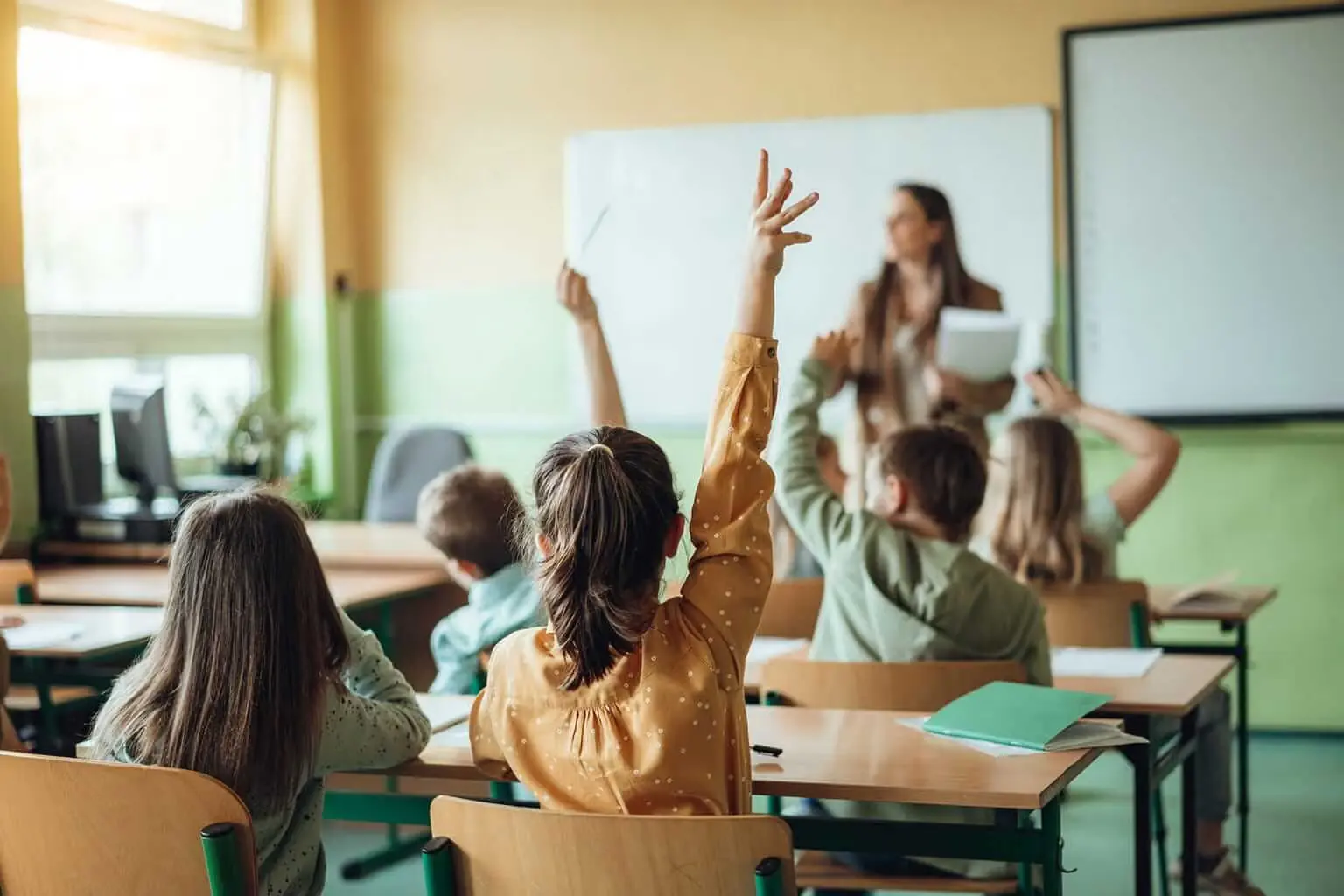
Every school day brings problems to solve. A student struggles with a challenging assignment. Two classmates disagree about how to complete a group project. A misunderstanding between friends turns into an argument. Outside the classroom, students face challenges with family, friendships, and growing independence.
Some problems have straightforward answers. Others require patience, perspective, and a willingness to try a different approach.
The difference often comes down to human skills. When students learn to manage their emotions, consider other perspectives, communicate clearly, and think through their choices, they gain tools to navigate challenges with greater confidence. And with practice, they become better equipped to solve problems in the classroom, in their relationships, and throughout their lives.
Problem-solving takes more than knowing what to do
When students encounter a challenge, knowing the right answer doesn’t always mean knowing how to get there.
Frustration can make it difficult to think clearly. A disagreement can escalate when students struggle to understand another person’s perspective. And when the first attempt doesn’t work, some students may give up rather than explore another solution.
Human skills help students work through these moments. Self-awareness helps them recognize what’s getting in the way. Emotion regulation gives them strategies to pause before reacting. Empathy helps them consider how others might see the situation. And critical thinking helps them weigh their options and make thoughtful decisions.
Together, these skills give students a practical foundation for approaching problems instead of simply reacting to them.
Turn everyday conflicts into learning opportunities
Not every disagreement needs to become a classroom disruption. With the right skills, students can learn to work through differences, listen to one another, and find solutions that respect everyone’s needs.
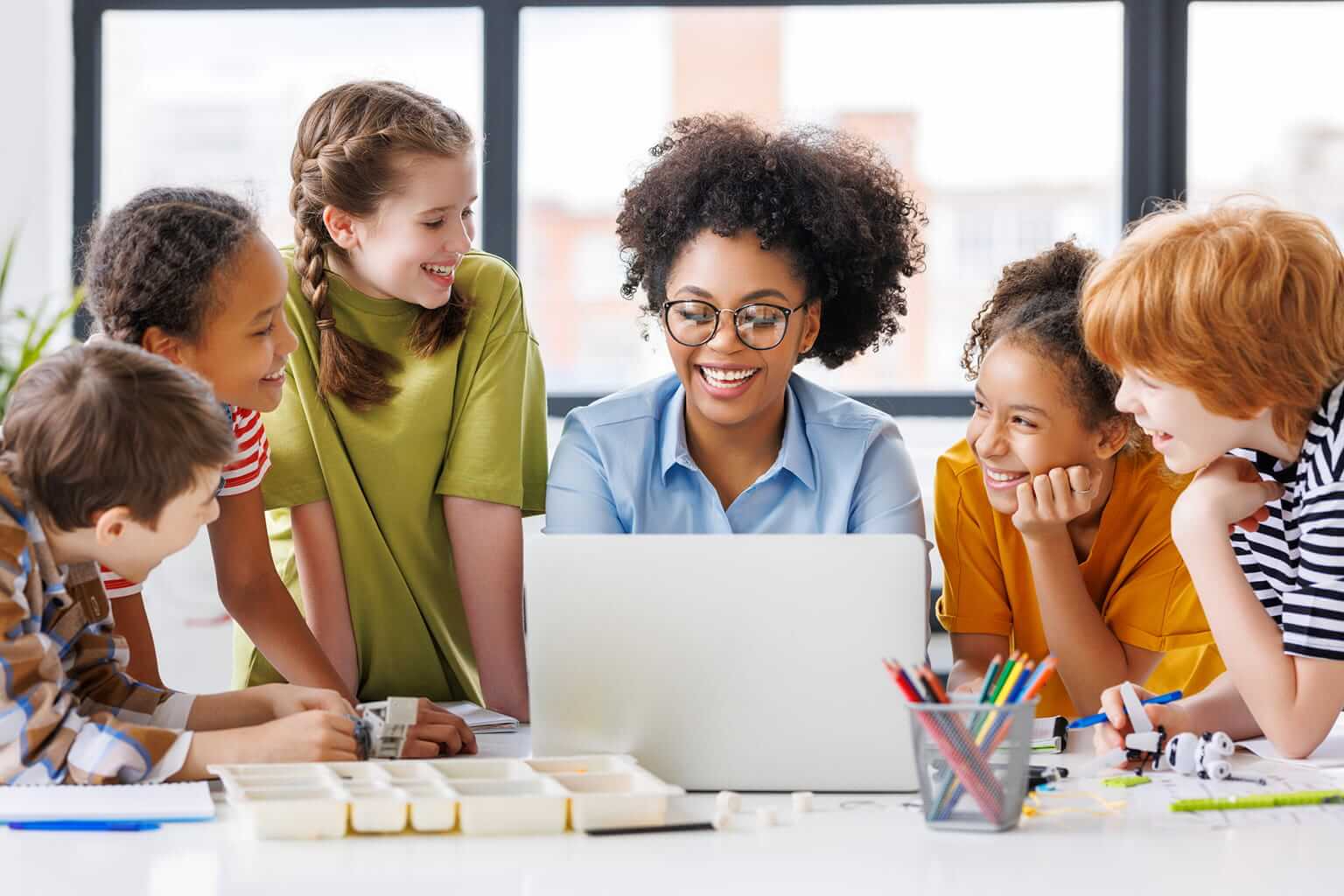
Imagine two students who disagree about their roles in a group assignment. Instead of arguing or asking the teacher to settle the dispute, they listen to each other’s concerns, explain what they need, and work out a plan.
Or consider a student who feels left out when classmates form a group. With practice in communication and perspective-taking, that student can express their feelings and ask to participate, while classmates learn to recognize how their choices affect others.
These moments offer opportunities to put human skills into action. Students learn that conflict doesn’t have to end in hurt feelings, that different perspectives can lead to better ideas, and that they have a role in finding solutions.
Build confidence to work through challenges
Problem-solving also means learning what to do when the answer isn’t immediately clear.
Students who can manage frustration and approach setbacks with a growth mindset are better prepared to keep trying, consider alternatives, and learn from mistakes. Rather than viewing a difficult assignment as a dead end, they can break it into smaller steps, ask for help, or try a new strategy.
These habits matter academically, too. Students who can navigate challenges are better positioned to stay engaged in learning, collaborate with peers, and take on increasingly complex tasks.
The goal isn’t to eliminate frustration or make every problem easy. The goal is to help students develop the confidence and strategies to work through difficulty, even when the path forward takes a few tries.
Make human skill-building part of everyday learning
Students don’t develop problem-solving skills through one lesson or a single conversation. They need clear instruction, opportunities to practice, and reinforcement in the situations where these skills matter most.
That’s where Second Step® programs come in. Through age-appropriate lessons and practical activities, students build skills like problem-solving, emotion regulation, empathy, communication, and responsible decision-making. They learn strategies they can apply to real-life challenges, from navigating peer conflict to making thoughtful choices in the classroom and beyond.
And the benefits extend beyond individual students. When students have more tools to resolve disagreements, manage their behavior, and work together, educators can spend less time navigating preventable disruptions and more time supporting learning. Shared skills and language also help create more consistent expectations across classrooms and school communities.
Independent research from WestEd reinforces the value of this work. Studies involving more than 25,000 students showed positive measurable outcomes associated with Second Step® Elementary and Second Step® Middle School digital programs, including increased self-management, stronger teacher-student relationships, and improved school climate. These findings highlight the importance of equipping students with the skills they need to navigate challenges and succeed together.
Ready to help students become better problem solvers?
Every challenge is an opportunity for students to practice, grow, and discover what they’re capable of. With strong human skills, they can approach problems more thoughtfully, navigate conflict more constructively, and build stronger relationships along the way that will help them thrive in the classroom, in their future careers, and in life.
Explore the evidence-based Second Step programs to see how human skills instruction supports students from early learning through high school. Or request a demo to discover how Second Step programs’ connected approach can help your students put these essential skills into practice every day.
Recent Posts
How Implementation Data Is a Window into What Works—and What Doesn’t
Always On but Never Connected: The Digital Divide Between Students