5 Signs Students Need More Human Connection
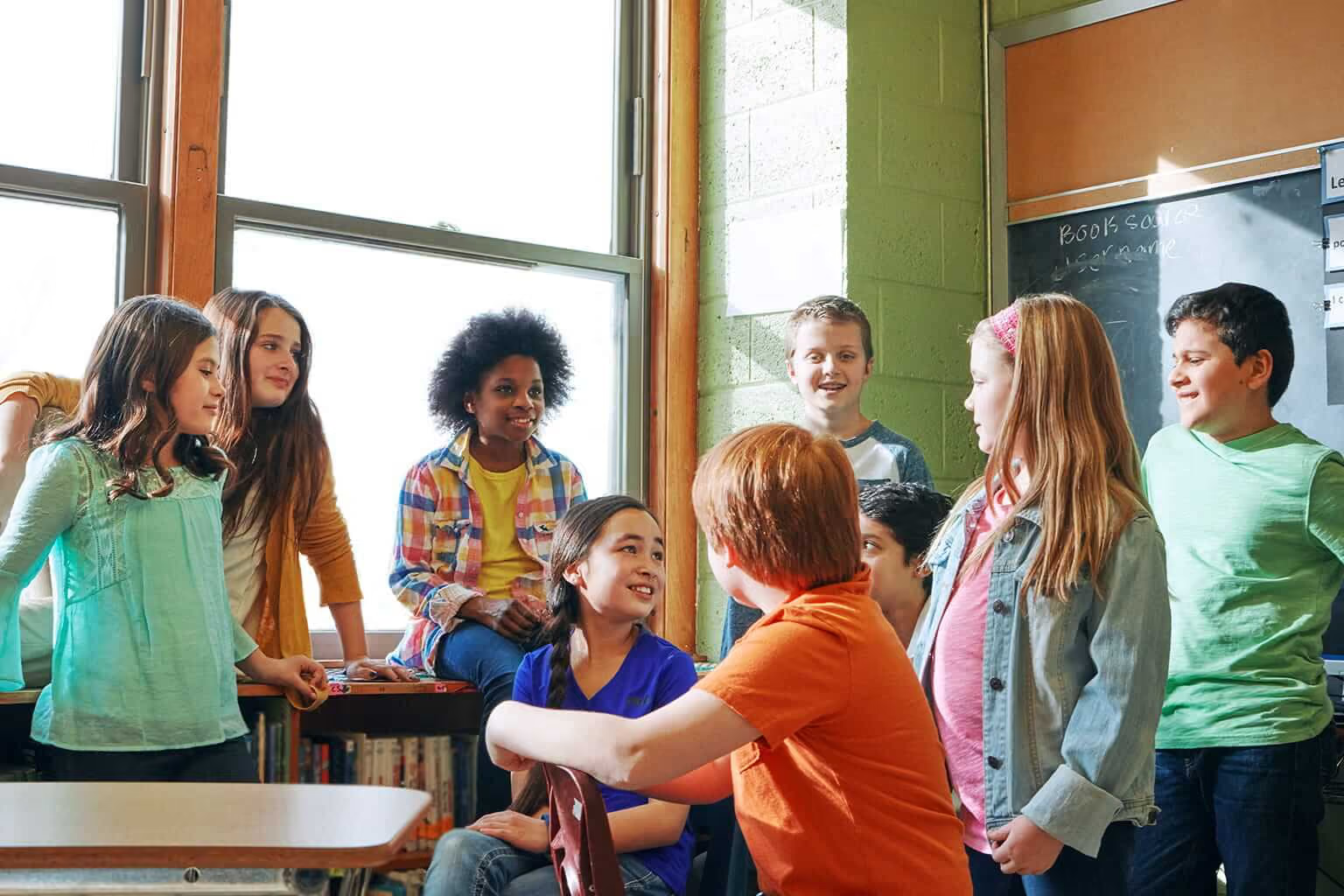
Today’s students and educators are facing a troubling paradox. Despite being more connected than ever through technology, students are reporting higher levels of disconnection and loneliness. Students are plugged in, but they can often seem checked out from their learning, their relationships, and their communities. Just as technology isn’t necessarily the only cause of this disconnection among students, it’s not the only solution, either.
When students display or report these problems, such as feelings of isolation, disengagement from school and community, or anxiety, experts suggest that the solution isn’t simply more technology or digital engagement. To help students overcome feelings of isolation and disconnection, educators can address the root problems by fostering kindness, community, and belonging in their classrooms and school communities. Here are five signs that students could benefit from less digital engagement and more human connection, as well as some tips for supporting them.
1. They seem lonely despite being constantly online
In this digital age, a student may have hundreds of online contacts but still feel socially disconnected. From the outside, it can look like they’re constantly engaged in lively conversations on social media or messaging platforms, but that apparent engagement isn’t always the reality. Rather than assuming that being online means they’re connecting directly with their peers, adults should also pay attention to their body language, moods, and verbal communication. If they appear to be struggling, they probably are, even if they don’t fully realize it.
Studies link adolescent loneliness with increased risks of anxiety, depression, and social withdrawal. Researchers emphasize that supportive, meaningful relationships are critical during adolescence.
Connection tip: Rather than banning students from social media or technology, give them opportunities to talk in person about what’s happening online. Processing their thoughts and feelings about their digital experiences is often what’s missing, and discussions about the digital world can help bridge the gap that leaves them feeling lonely.
2. They’re disengaged in their learning
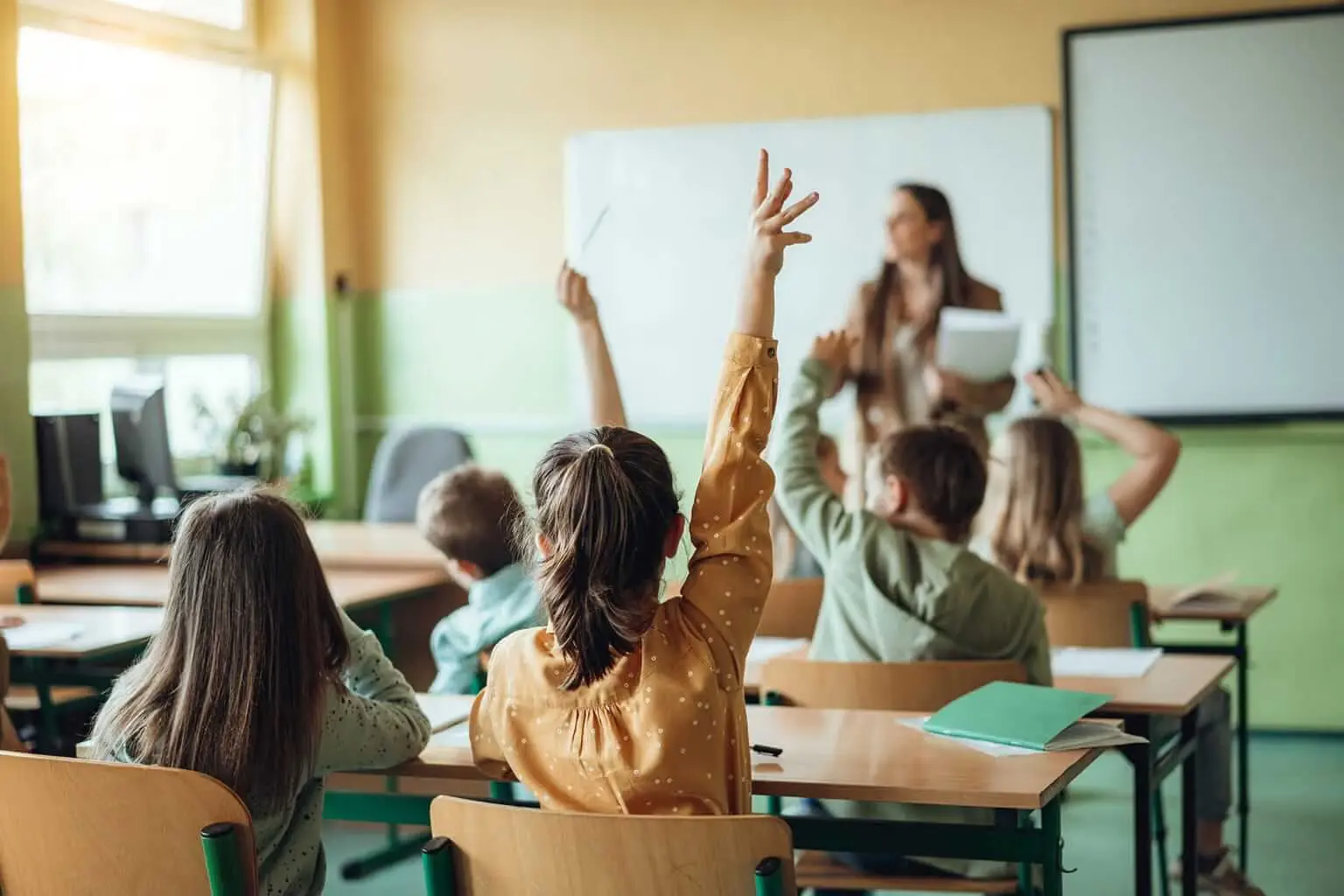
Poor academic performance could stem from feelings of isolation. When students don’t feel connected to teachers, peers, or their school community, engagement naturally drops. Learning apps and digital tools may seem like a convenient solution, but if they aren’t directly addressing the belonging problem, then disengagement may only increase.
In classrooms, more technology can easily become a barrier to deeper connection, even when students appear fluent or comfortable with those tools. Connecting meaningfully with peers can actually make students uncomfortable at first, especially if they’re already feeling disengaged. But the CDC identifies school connectedness as a key protective factor linked to better attendance, higher academic performance, and improved mental wellness.
Engagement tip: Genuine connection is difficult because disengaged students often lack the skills and comfortability it requires. Educators can be models for fostering connection even when it feels uncomfortable, showing students that even though it may feel awkward, connection is worth the initial discomfort.
3. They’re struggling to navigate conflict and relationships
Healthy relationships require skills that don’t develop as naturally in digital spaces. These are skills like reading body language, managing disagreement face to face, and repairing a friendship after something goes wrong. Students who spend more time interacting online than in person often find these moments especially difficult because they haven’t had enough practice navigating them in real time. When conflicts escalate, friendships seem to fall apart over minor misunderstandings, or a student seems to avoid face-to-face interaction with peers altogether, it may be a sign that they need more practice connecting.
Connection tip: Give students structured, low-stakes opportunities to practice relationship skills in the classroom, such as partner work, small group discussions, and collaborative projects.
4. They seem anxious or emotionally dysregulated
Stress is normal for adolescent students, but persistent anxiety and emotional dysregulation can be a sign they’re struggling to connect. When students lack sufficient emotional outlets and trusted relationships to process how they’re feeling, stress can quickly turn into anxiety. Anxiety can then show up as irritability, difficulty concentrating, an emotional outburst, or a general sense of unease that students themselves may struggle to explain. Whether or not a student is able to articulate their anxious feelings, these are signals that students urgently need support and human connection.
It’s also worth noting that technology use and anxiety can create a feedback loop: anxious students may retreat further into their devices to cope, which can deepen their disconnection and compound the anxiety. Breaking that cycle requires intentional, supportive human engagement, which takes time and structure to build.
Connection tip: Check in with students individually and consistently. Even if it’s brief, a genuine, one-on-one moment with a trusted adult can be a powerful stabilizer for an anxious student.
5. They tell you they’re feeling disconnected
This one may seem obvious, but disconnected students may tell you directly they’re struggling to connect. While many students have trouble expressing their deeper feelings, some can’t help but share. These statements may seem casual or even like they’re joking, but when a student takes the risk to express that they’re feeling disconnected, even as a joke, there’s a good chance they’ve been struggling for some time. A joke like “I have no friends” from a student who seems well-liked by their peers may be a genuine expression that they’re feeling isolated or misunderstood. When this happens, educators should take note—and take action.
Connection tip: If a student says they’re feeling disconnected, immediately put a plan in place to support them. Share this information with the school counselor, create opportunities for connection in the classroom, and consider notifying their family.
Human skills support connection
The signs above are invitations for educators, counselors, and families to lean in and help students build something they need more than technology can provide.
Thankfully, the skills that support human connection can be taught. Second Step® programs are designed to do exactly that, helping students strengthen skills like empathy, communication, self-awareness, and emotion regulation.
To learn more about how Second Step programs can foster environments where students feel seen, valued, and connected, get in touch with our expert team today.
Recent Posts
How Implementation Data Is a Window into What Works—and What Doesn’t
Always On but Never Connected: The Digital Divide Between Students