
Resource Library
Thank you! Your submission has been received!
Oops! Something went wrong while submitting the form.
Showing 100 items

Adolescent Mental Wellness in Crisis
Read a recap of Dr. Jane Choi's webinar on adolescent mental wellness, discussing post-pandemic struggles, CDC teen sadness data, and strategies for positive school environments.
May 29, 2024
Blog
Educator
Blog
High school
School climate
Human skills
No items found.
Second Step® High School: Create a Culture Where Everyone Is Most Likely to Succeed
Great high schools empower everyone to succeed. Join us for an overview of Second Step® High School, the all-new human skills program for Grades 9–12 from Committee for Children. Discover the program’s relevant approach to addressing adolescent students’ diverse social and emotional needs. Learn about its uniquely flexible framework of resources for educators to build a school culture where everyone is connected and supported. Explore examples of its engaging experiences and the power of its research foundation. The program is now available for purchase for the 2024–2025 school year.
May 22, 2024
Webinar
School Leader
Webinar
High school
School climate
Second Step family of programs overview
No items found.

Creating a Culture of Kindness: Using Research-Based Approaches to Prevent Bullying
Recap of Amy Walker’s webinar on research-based approaches to prevent bullying, foster kindness, and build a positive school culture by strengthening human skills.
May 22, 2024
Blog
Educator
Blog
Bullying prevention
Kindness
Human skills
No items found.
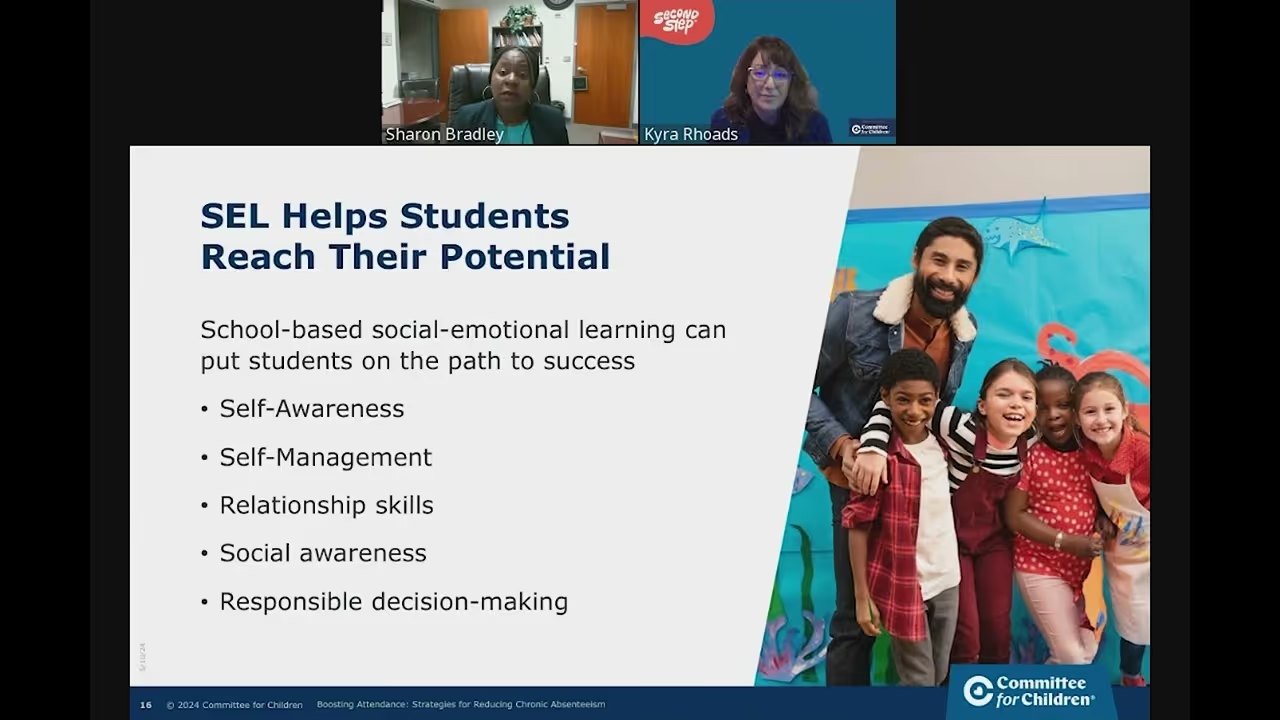
Boosting Attendance: Strategies for Reducing Chronic Absenteeism
This engaging webinar is for all school personnel interested in exploring and implementing effective methods to address chronic absenteeism. You’ll learn evidence-based strategies for improving attendance rates that can be applied both individually and collaboratively. The presenter, Sharon Bradley, is a national educational consultant and a director for a Dallas-area school district, where she has helped shape their approach to social and emotional development and truancy prevention for all students.
May 21, 2024
Webinar
District Leader
Webinar
Absenteeism
School climate
Human skills
Current Second Step User
District Leader
Educator
School Leader
Policy Leaders

Teachers Rally Around Second Step® Programs: Interview with Educator Alison Cline
Learn about Alison Cline's Second Step experience and how her school united to keep the curriculum, highlighting its positive impact on students.
May 17, 2024
Blog
Educator
Blog
Human skills
No items found.

How to Build Students’ Sense of Belonging at School
Enhance students’ sense of belonging at school with human skills instruction and fostering self-identity, leading to better engagement and academic outcomes.
May 15, 2024
Blog
Educator
Blog
School climate
Human skills
Empathy
No items found.

Fostering Parent-Teacher Collaboration: A Conversation with Helen Westmoreland
Learn how parent-teacher collaboration enhances the development of human skills, with insights from Helen Westmoreland of the National PTA.
May 8, 2024
Blog
Educator
Blog
Communication
Human skills
School climate
No items found.
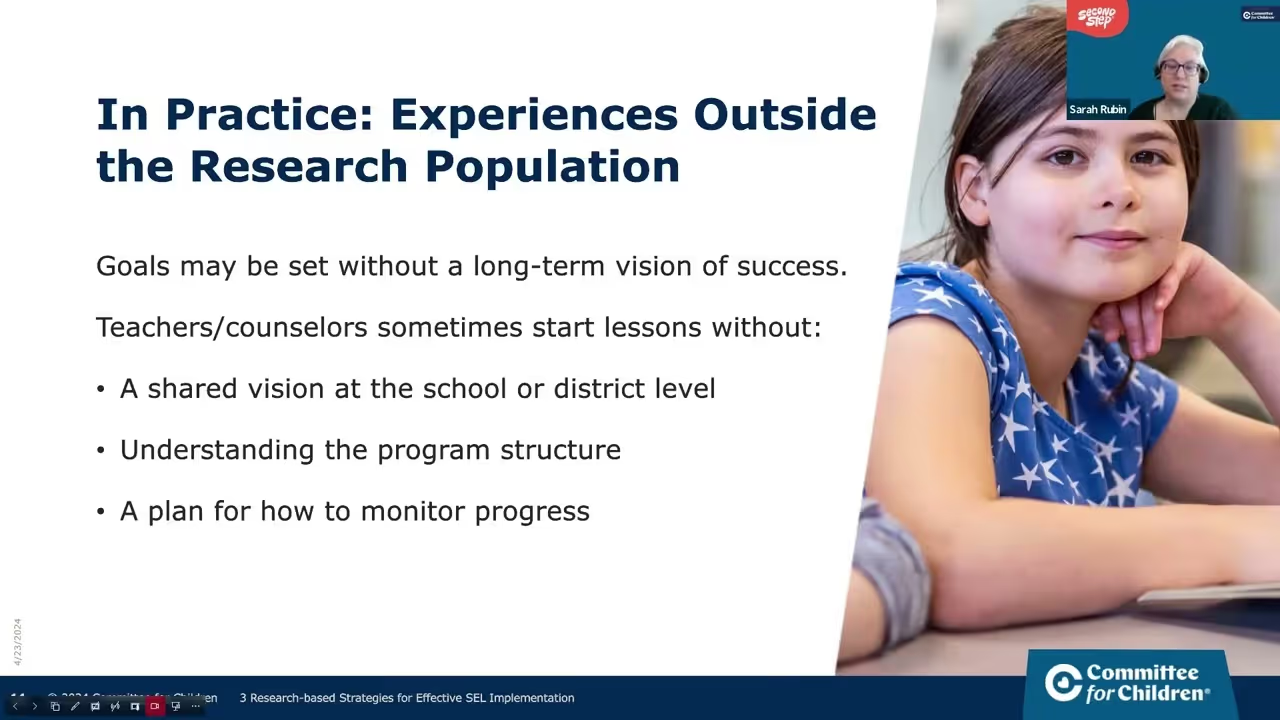
Three Research-Based Strategies for Effective Implementation of Human Skills Instruction
In this dynamic webinar, take a deep dive into research-based best practices for effectively driving implementation of human skills programs in schools. Hear and learn from our experts who support successful use of these practices and walk away with tactical actions you can start implementing in your district today.
May 1, 2024
Webinar
Current Second Step User
Webinar
Implementation resources
Human skills
School climate
No items found.