
Resource Library
Thank you! Your submission has been received!
Oops! Something went wrong while submitting the form.
Showing 100 items

How to Promote a Positive School Climate Through Human Skills Programs
Discover how human skills programs foster a positive school climate by enhancing emotional well-being, building relationships, and promoting empathy among students and staff.
July 17, 2024
Blog
Educator
Blog
School climate
Human skills
Emotion regulation
No items found.

5 Strategies to Help Students Become Active Listeners
Listening with intent means listening to understand another person’s perspective and feelings. These five strategies help kids become better listeners and communicators.
July 10, 2024
Blog
Educator
Blog
Communication
Empathy
Human skills
No items found.
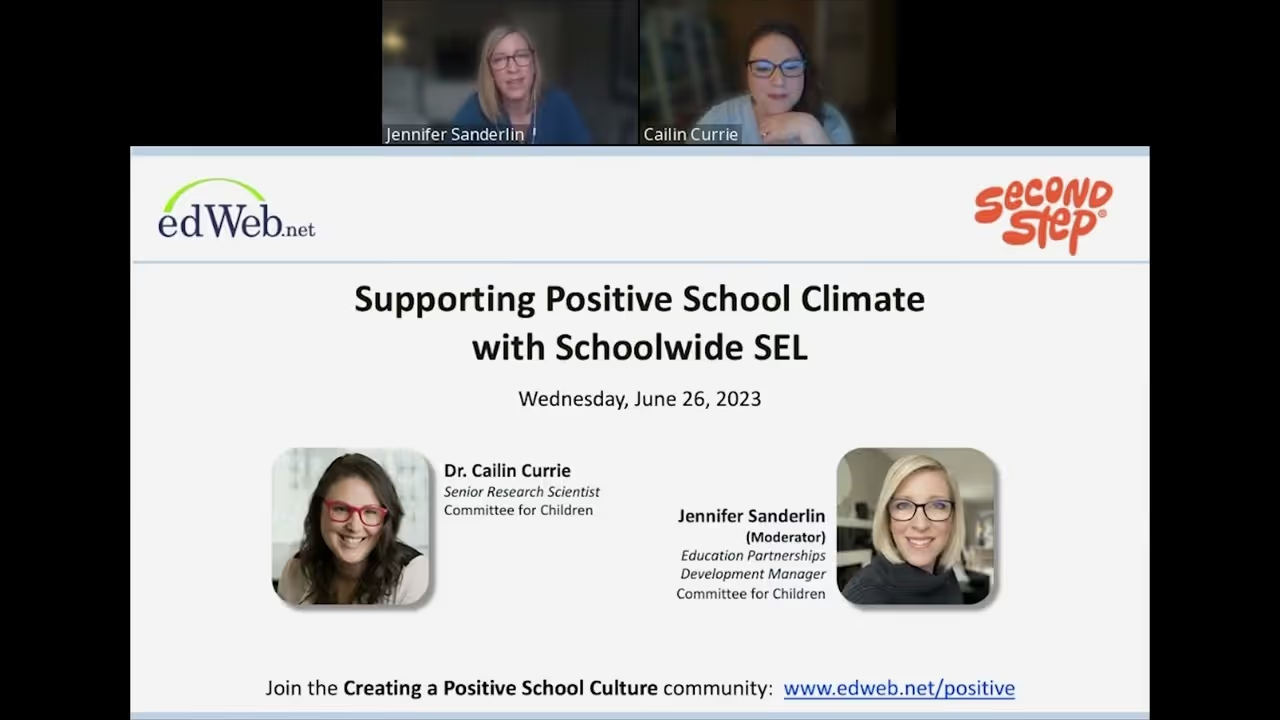
Supporting Positive School Climate with Schoolwide Human Skills Instruction
Human skills instruction has long been considered a tool for creating positive school and classroom climates, but what does that look like in high school? In this webinar, you’ll look at the importance of school climate for students and educators, explore the connection between schoolwide human skills instruction and positive school climate, and learn to apply human skills strategies to bolster school climate.
July 3, 2024
Webinar
School Leader
Webinar
School climate
Human skills
Implementation resources
No items found.

Educator Insights from Carrie White: The Impact of Human Skills on Teamwork and Collaboration
Collaborating is a life skill kids need in and out of school, and educator Carrie White shares five ways human skills instruction can help boost collaboration and teamwork.
July 3, 2024
Blog
Educator
Blog
Collaboration
Human skills
Communication
No items found.
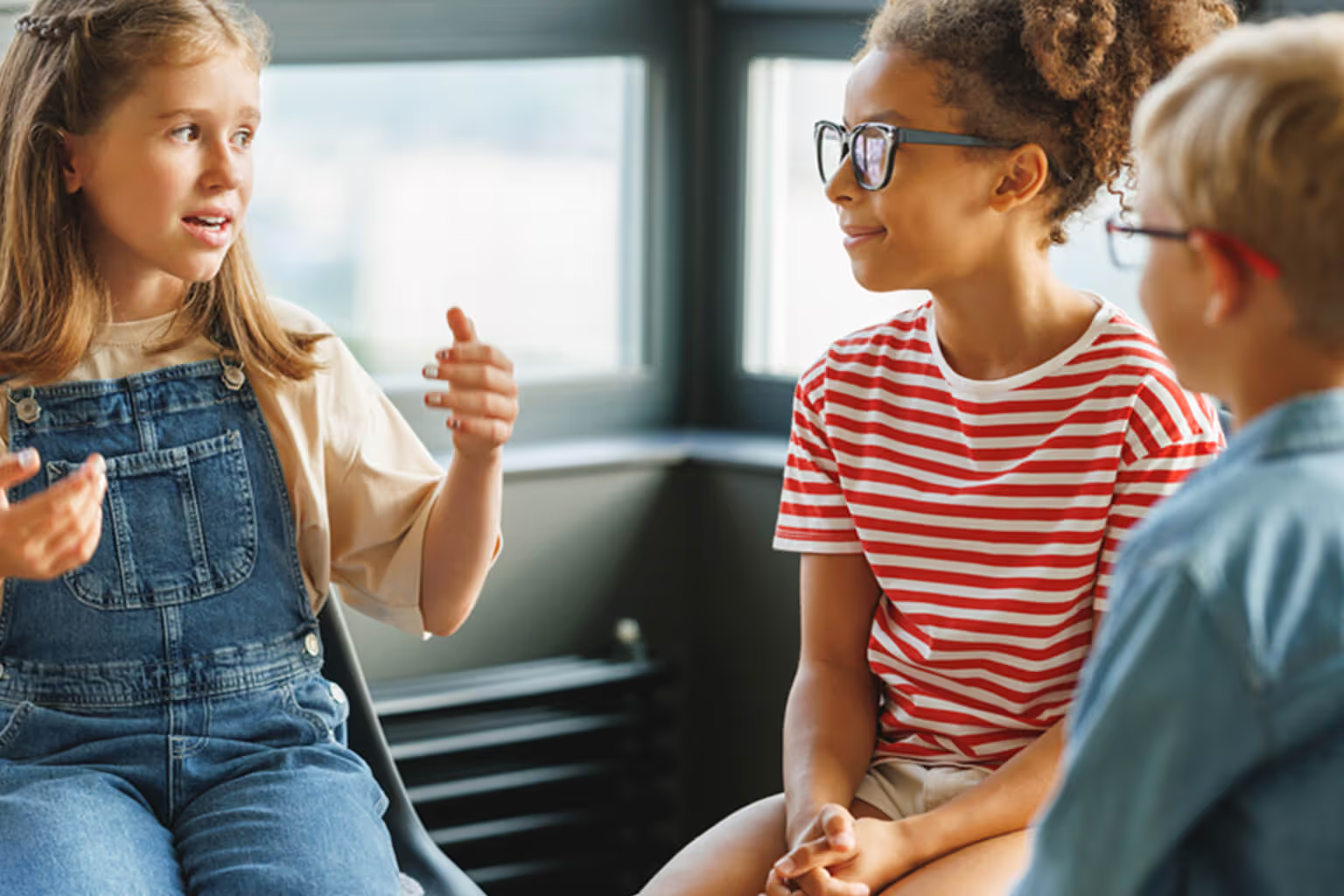
Why It’s Important to Start Human Skills Programs at a Young Age
Learn how starting human skills programs early helps children form healthy relationships, regulate emotions, boost academic success, and foster lifelong well-being.
June 26, 2024
Blog
Educator
Blog
Early learning
Human skills
Emotion regulation
No items found.
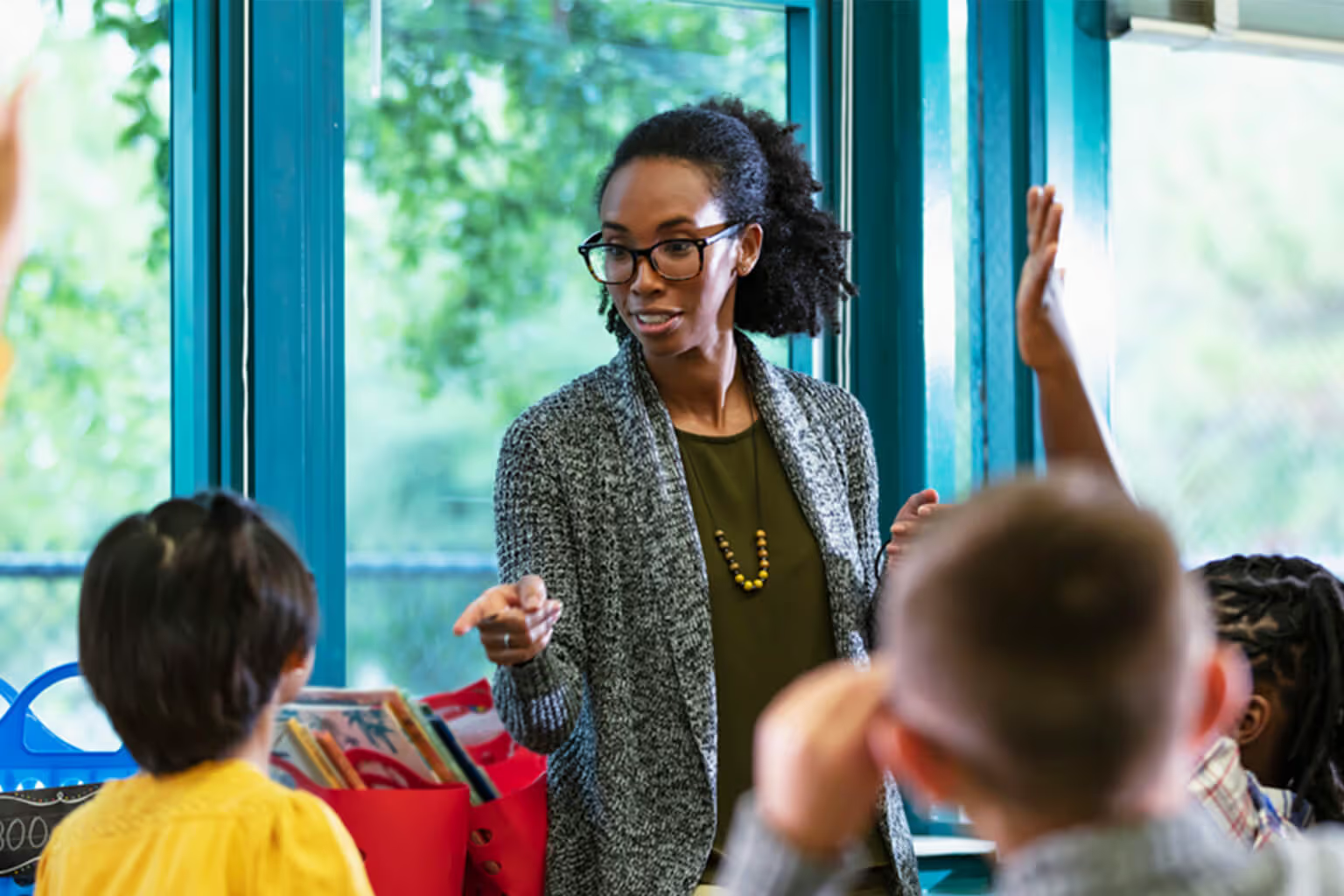
Understanding Student Stress and How Schools Can Help
Learn the common signs of stress in kids and explore strategies for helping students manage school stress, such as improving school climate and getting peer support.
June 20, 2024
Blog
Educator
Blog
School climate
Emotion regulation
Human skills
No items found.
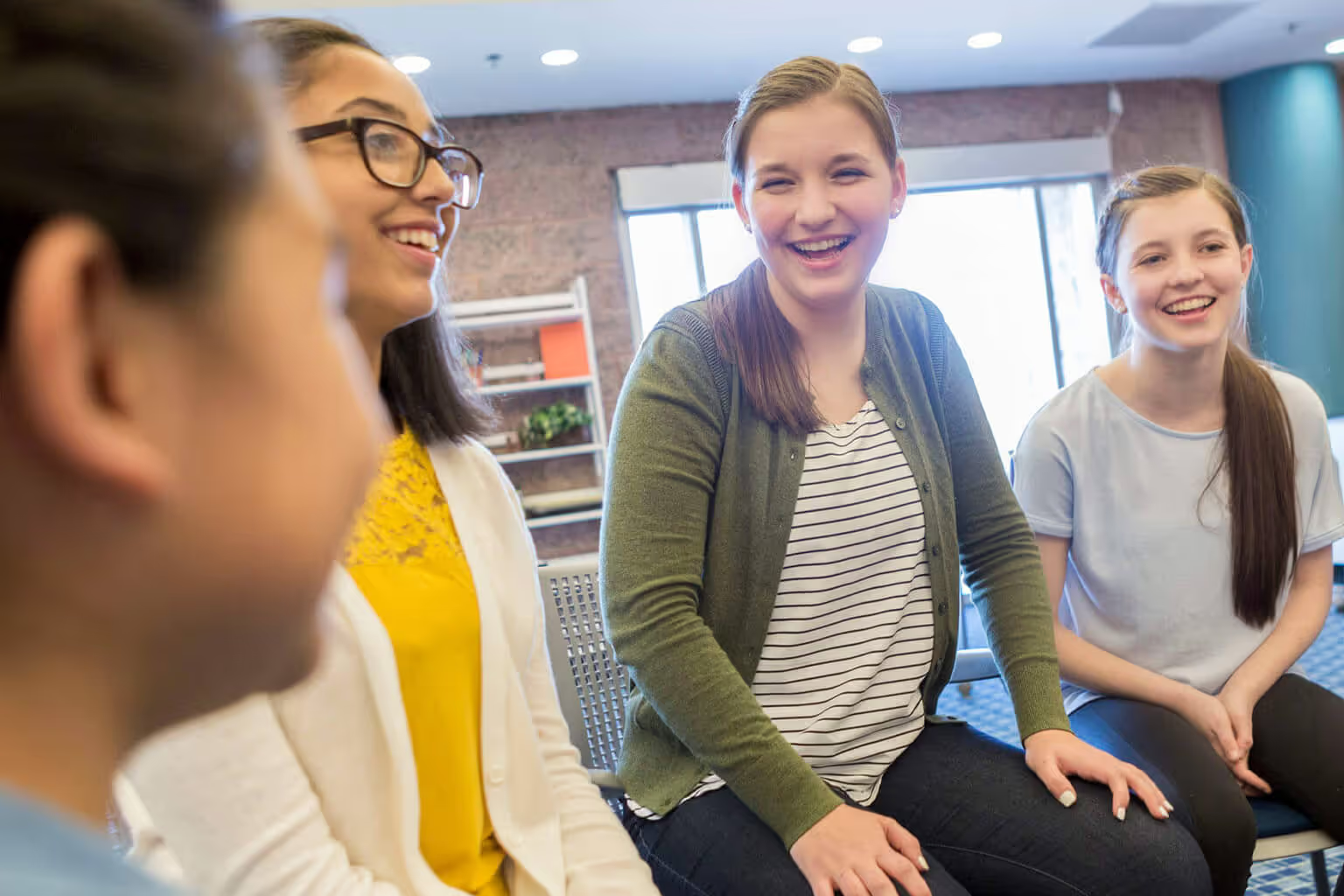
4 Reasons Second Step® Middle School Is More Engaging than Ever
The updated Second Step® Middle School program helps students and educators more actively engage in the process of strengthening human skills.
June 12, 2024
Blog
Educator
Blog
Middle school
Second Step family of programs overview
Human skills
No items found.
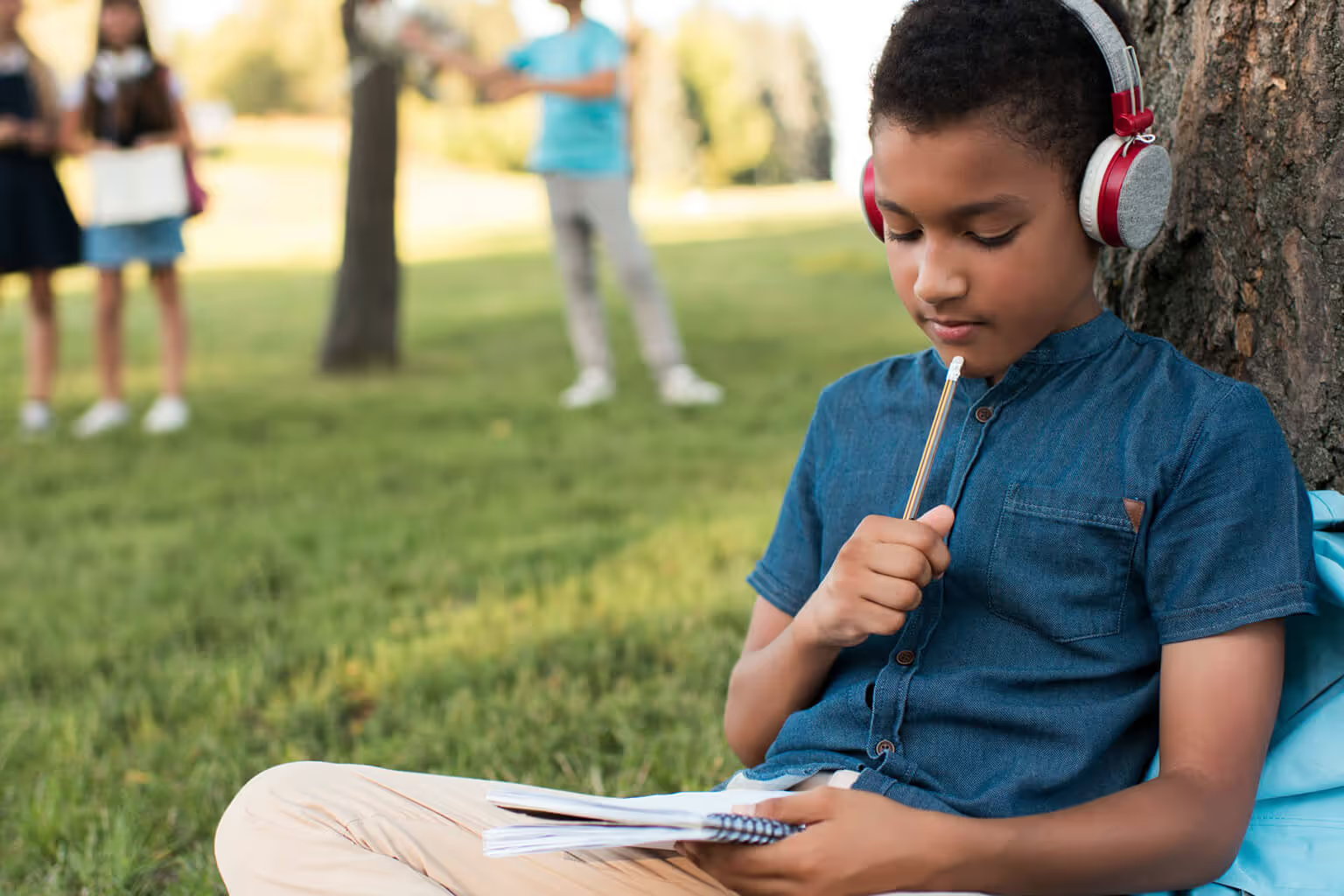
Ways to Make Your Classroom More Accessible for All Learners
Learn how to create a supportive classroom by setting norms of respect, designing accessible spaces, and providing learning aids.
June 5, 2024
Blog
Educator
Blog
School climate
Human skills
Collaboration
No items found.