Teaching Students to Pause in a World Designed for Distraction

Students today are growing up in a world engineered for attention.
Every scroll, notification, autoplay video, and algorithmically timed recommendation is designed to keep users engaged for as long as possible. For young people whose brains are still developing, that constant pull can make it harder to focus, regulate emotions, manage impulses, and disconnect from the pressure to always stay online.
This is known as “digital dopamine,” the cycle of instant rewards that keeps students coming back for more. The American Psychological Association highlights how social media design and constant digital engagement can shape attention, mood, and behavior in adolescents. But beneath the buzzword is a much bigger challenge for schools and families: helping students strengthen the human skills needed to navigate digital spaces thoughtfully, responsibly, and in healthy ways.
The answer isn’t eliminating technology but helping students develop the self-awareness and resilience to use it without being consumed by it.
The attention economy is shaping student behavior
Today’s students aren’t just using technology. They’re living inside ecosystems built to compete for their attention.
Likes, streaks, notifications, endless feeds, and viral trends can create constant pressure to check, react, compare, and perform. Over time, that can affect everything from attention span and emotional regulation to sleep, stress, and peer relationships.
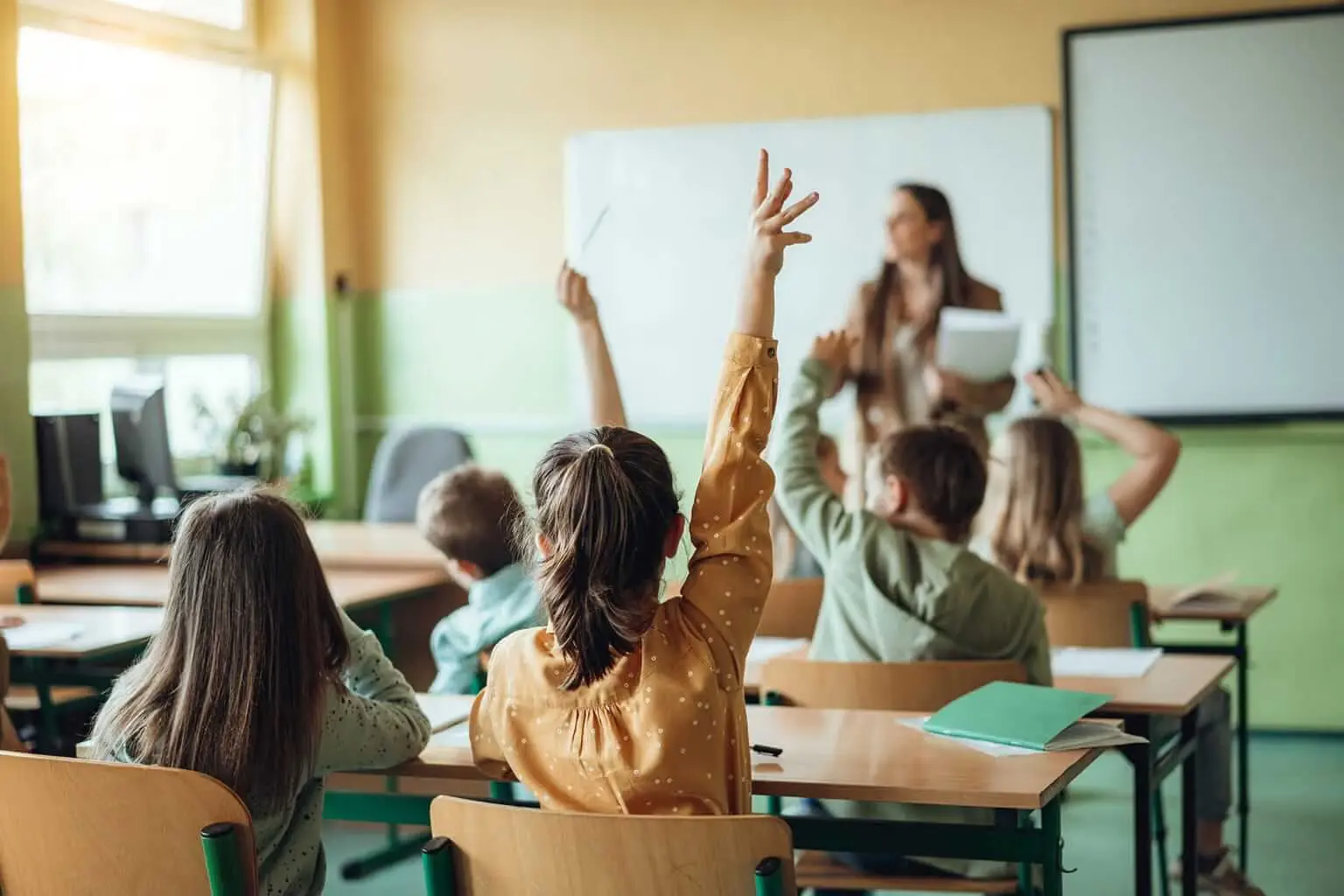
Many educators are already seeing the effects in the classroom:
- Difficulty staying focused
- Increased frustration
- Tolerance challenges
- Social conflicts fueled by online interactions
- Dependence on instant feedback and validation
- Anxiety tied to comparison and visibility
Students may understand how technology works. But that doesn’t automatically mean they know how to manage the emotions and behaviors that come with constant digital engagement.
That’s where strong human skills become essential.
Self-awareness becomes a digital survival skill
One of the most important skills students can develop today is the ability to pause and recognize how digital experiences affect their emotions, decisions, and behavior.
That includes noticing:
- When scrolling shifts from entertainment to avoidance
- When comparison starts affecting confidence
- When online conflict escalates emotionally
- When notifications interrupt focus or sleep
- When validation becomes tied to likes or attention
These moments require more than screen time rules. They require emotional awareness, impulse control, and responsible decision-making.
When students learn how to recognize emotional triggers, manage stress, and reflect before reacting, they become better equipped to navigate digital environments with confidence instead of losing themselves inside them.
Human connection helps students stay grounded
Digital spaces can create the illusion of connection while still leaving students feeling isolated, overwhelmed, or unseen.
That’s why belonging and healthy relationships matter so much.
Independent studies from WestEd on Second Step® K–8 digital programs included more than 25,000 students across multiple states and found measurable improvements in school climate, belonging, and student–teacher relationships. These are not soft outcomes. They’re the conditions that help students feel connected, supported, and ready to learn.
In online environments where students are constantly exposed to comparison, pressure, and distraction, those human connections become even more important. Trusted relationships help students build confidence, perspective, empathy, and resilience. These essential human skills support overall digital well-being and stronger emotional well-being.
Teaching students to pause before they react
One of the biggest challenges in digital spaces is speed.
Students are constantly encouraged to respond immediately, but healthy decision-making often depends on the opposite.
Students need opportunities to slow down, reflect, communicate thoughtfully, and consider how their actions affect themselves and others. Human skills like empathy, emotion regulation, and conflict resolution help students navigate online interactions more responsibly, especially when emotions run high.
Beyond the positive classroom impact, these are lifelong skills students will use in friendships, workplaces, relationships, and digital communities long after graduation.
Helping students build healthier relationships with technology
Technology is not going away. AI-driven platforms, personalized content, and increasingly immersive digital experiences will continue shaping how students learn, socialize, and see themselves.
That means schools have an opportunity to do more than teach digital literacy alone. They can help students develop the human skills needed to engage with technology in healthy, balanced, and intentional ways.
Because preparing students for the future isn’t only about teaching them how to use digital tools. It’s about helping them understand themselves while using them.
Want to help students build healthier digital habits and stronger human skills?
Explore Second Step programs as well as our all-new Digital Well-Being specialized unit, designed to help students thrive in a hyper-connected world.
You can also request a free consultation to learn how our programs support emotion regulation, responsible online decision-making, and resilience across schools, online spaces, and everyday life.
Recent Posts
How Implementation Data Is a Window into What Works—and What Doesn’t
Always On but Never Connected: The Digital Divide Between Students