Theater and Human Skills: How the Arts Help Students Practice Skills for Life
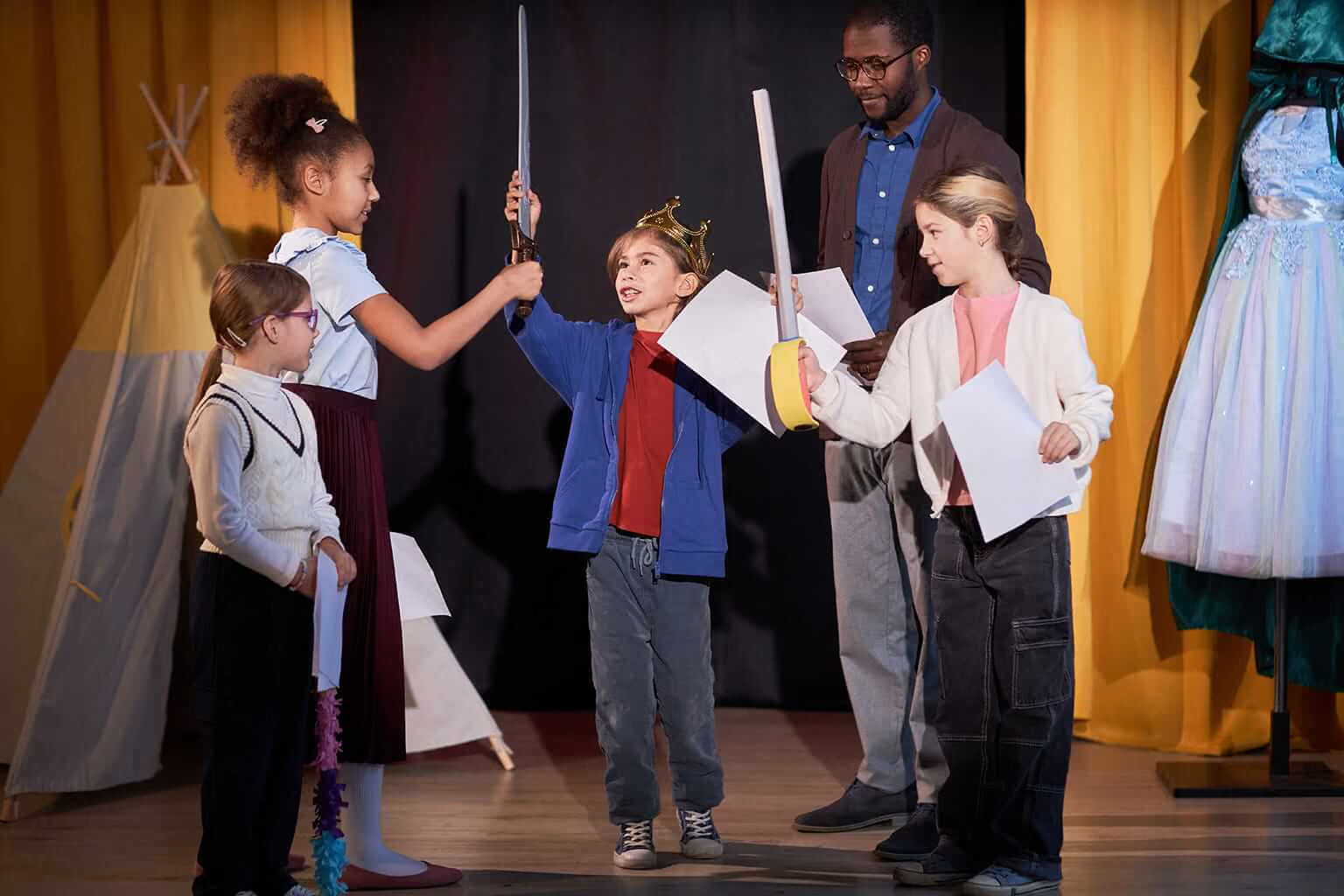
A student steps onto a classroom stage for the first time. Their voice shakes. They forget a line. A classmate quietly offers the next cue, the audience waits patiently, and the scene continues. By the final bow, that same student is standing a little taller.
It may look like a simple classroom performance, but something much bigger is happening behind the scenes.
Theater gives students a chance to practice human skills in real time. Every rehearsal asks them to listen, adapt, solve problems, manage emotions, and work with others toward a shared goal. Those experiences build confidence that extends well beyond the stage and into the classroom, the hallway, and everyday life.
As schools look for meaningful ways to help students develop strong relationships and navigate challenges, theater and the arts offer an engaging, hands-on way to bring those skills to life.
Research shows that intentionally teaching these skills can make a measurable difference. Four WestEd studies, which involved more than 25,000 students in Kindergarten through Grade 8 across multiple states, showed that students who consistently participated in Second Step® digital programs demonstrated improvements in behavior, self-management, and academic motivation and performance.
Theater turns Human Skills™ instruction into lived experience
Many classroom lessons introduce important concepts. And theater gives students the opportunity to practice them.
Dramatic activities require students to actively participate, and they have to interpret another person’s perspective, respond thoughtfully in the moment, and adjust when things don’t go as planned. Whether students are performing, directing, designing sets, or working backstage, every role contributes to a shared outcome.
That collaborative environment naturally reinforces essential human skills, including:
- Listening carefully before responding
- Communicating clearly with peers
- Working through disagreements respectfully
- Being flexible when plans change
- Managing nervousness or frustration
- Supporting teammates to reach a common goal
Because students are focused on creating something together, these life lessons become authentic experiences rather than mere instruction.
Building empathy by stepping into someone else’s story
One of theater’s greatest strengths is its ability to help students see the world from another perspective.
When students portray different characters, they ask questions like:
- What is this person feeling?
- Why did they make this choice?
- How would I respond in this situation?
Exploring those questions encourages perspective-taking, a key part of building empathy and healthy relationships. Students begin to recognize that people can experience the same situation differently, making them more thoughtful listeners and collaborators in everyday interactions.
Even students who aren’t performing can benefit by watching stories unfold and discussing characters’ decisions, motivations, and emotions.
A safe place to practice emotion regulation
Performing in front of others can feel exciting, but it can also bring anxiety, disappointment, or frustration.
Theater gives students opportunities to experience those emotions in a supportive environment while learning strategies to work through them. They practice calming their nerves before stepping on stage, recovering from mistakes without giving up, and accepting feedback as part of the creative process.
These moments help students develop emotional regulation skills that they can use during classroom presentations, group projects, tests, and other challenging situations.
Mistakes become part of learning rather than something to fear.
Collaboration that depends on everyone
Few classroom activities rely on teamwork as completely as a theatrical production.
Actors depend on scene partners. Stage crews coordinate lighting and sound. Student directors organize rehearsals. Costume and set designers contribute creative solutions that help tell the story.
Success isn’t determined by one person’s performance. It comes from communication, trust, and shared responsibility.
Students quickly learn that encouraging others, resolving conflicts respectfully, and staying accountable all contribute to a stronger final performance. Those same skills help create more positive classroom communities where students feel supported and connected.
Every student has a place to contribute
Not every student wants to stand in the spotlight, and that’s one of theater’s greatest advantages.
The arts create opportunities for students with a wide range of strengths and interests. Some thrive through acting. Others discover confidence while building props, managing stage directions, creating costumes, designing programs, or helping with technical production.
When students find meaningful ways to contribute, they experience the value of belonging to something larger than themselves. That sense of belonging helps strengthen classroom connections while giving students opportunities to build confidence in authentic ways that are unique to them.
Bringing human skills and theater into everyday learning
Theater doesn’t need to involve a full-scale production to make an impact.
Simple classroom activities like role-playing scenarios, improvisation games, reader’s theater, or collaborative storytelling can help students practice communication, emotion regulation, and problem-solving throughout the school year.
These experiences complement broader efforts to build positive school climates where students feel safe, connected, and ready to learn. When students regularly practice human skills through engaging activities, they’re better prepared to navigate challenges, strengthen relationships, and participate confidently in their learning communities.
Ready to give students more opportunities to practice human skills?
The final curtain may fall at the end of a performance, but the skills students have strengthened continue long after the applause ends. Every rehearsal, every scene, and every shared success helps prepare them for future conversations, collaborations, and challenges both inside and outside the classroom.
Explore Second Step programs or request a consultation to discover how you can implement engaging, interactive human skills instruction that fits your classroom, school, or district.
Recent Posts
Always On but Never Connected: The Digital Divide Between Students
5 Tips to Maximize Student Outcomes Through Second Step® Program Data