
Growth Mindset: Helping Students Build What Lasts
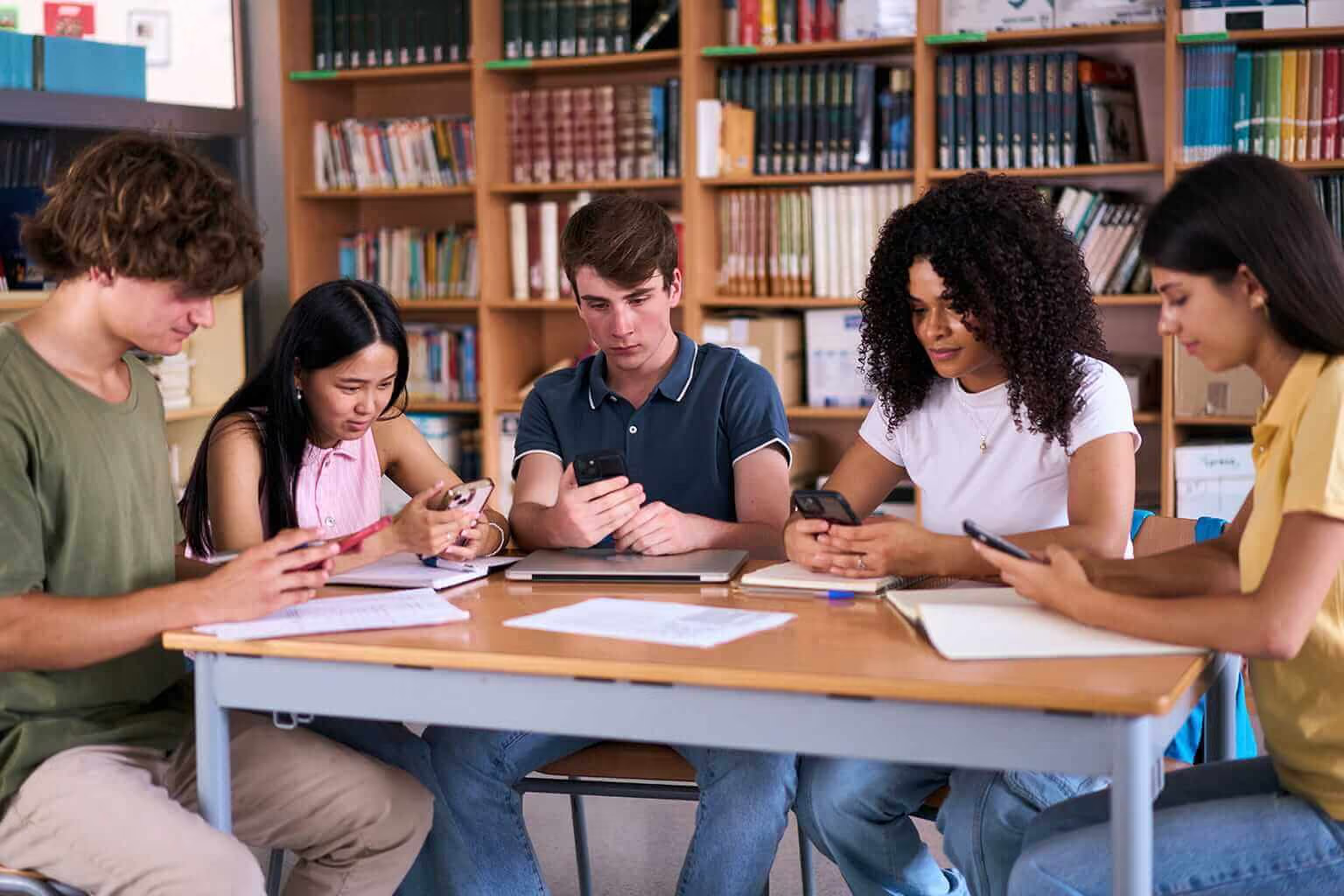
Students today are navigating more than ever before—academically, socially, and digitally.
They’re expected to adapt quickly, manage challenges, and stay engaged in environments that are constantly changing. And while academic knowledge still matters, it’s not enough on its own.
What helps students persist through difficulty, stay motivated, and continue learning over time comes down to something deeper: the human skills that shape how they approach challenges in the first place.
At the center of that is a growth mindset, a key human skill.
A growth mindset starts before the challenge
A growth mindset is often talked about as a belief that someone can improve with effort.
But in classrooms, it shows up as behavior.
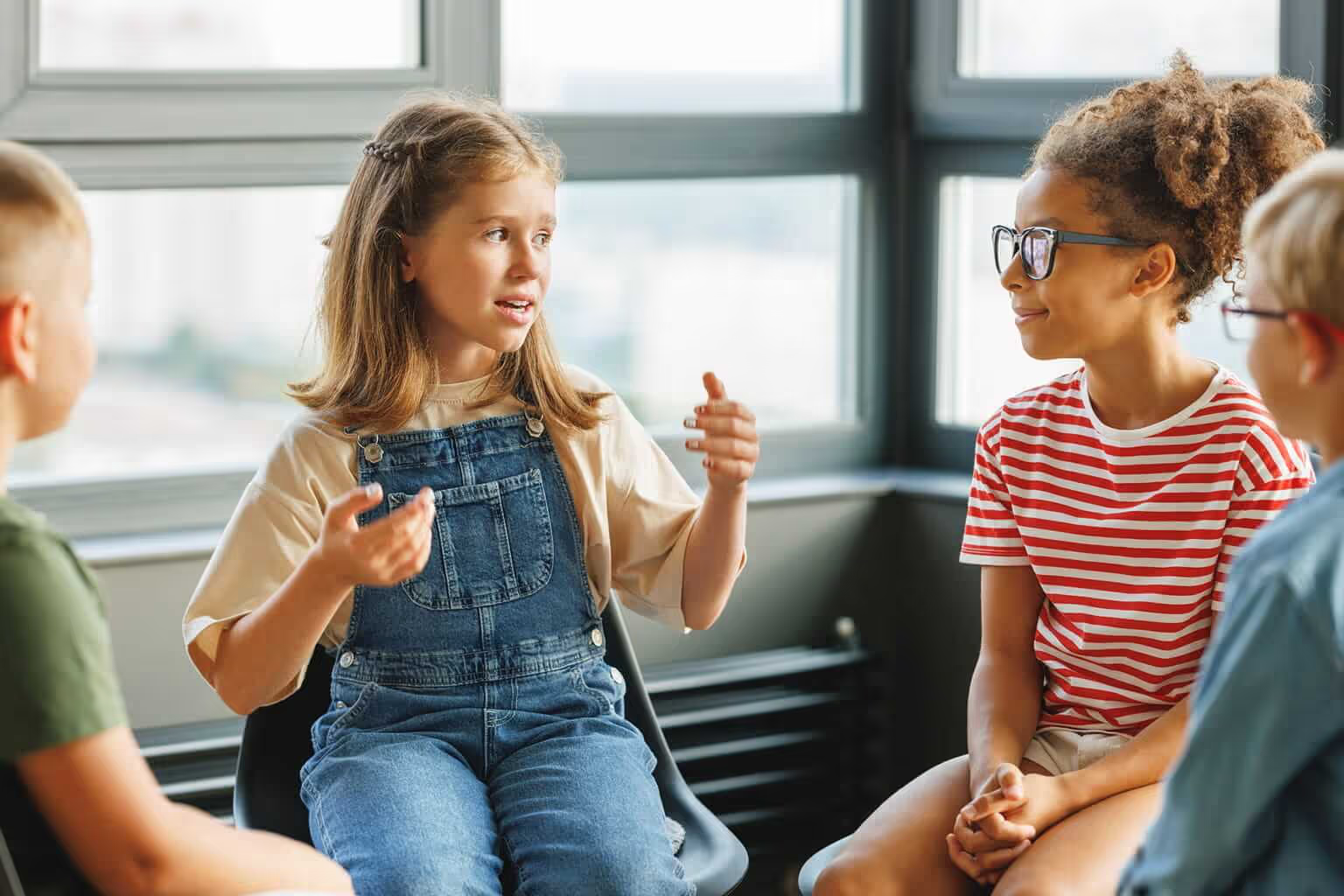
A growth mindset is seen in the student who keeps working through a difficult problem instead of shutting down, the one who reflects on feedback instead of avoiding it, the one who tries again after getting something wrong.
Those moments don’t happen automatically. A growth mindset is strengthened and supported by other human skills, including:
- Resilience to keep going through challenges
- Emotion regulation to manage frustration and setbacks
- Confidence to take risks and try again
- Problem-solving to approach challenges from different angles
Without these skills, “just try again” isn’t actionable. With them, it becomes achievable.
The skills behind the bounce back
When students develop these skills, the impact goes beyond mindset. It shows up in measurable outcomes.
Independent research conducted by WestEd across more than 25,000 students found that students participating in Second Step® K–8 digital programs demonstrated improvements in key areas tied to growth and learning, including academic motivation, self-management, and overall school climate.
In middle school settings, students also showed:
- 36% fewer disciplinary referrals
- 33–36% fewer suspensions
- Improved attendance, with 2.5 additional days in school
These outcomes reflect something important: students benefit when they develop the human skills to manage emotions and navigate challenges.
What students practice, they become
Without strong human skills, these are some typical ways students respond to challenges:
- Avoid difficult tasks
- Shut down after mistakes
- Disengage when work feels too hard
These responses aren’t about ability. They’re about skill gaps.
A growth mindset becomes real when students have the tools to respond differently, when they can:
- Pause and regulate emotions before reacting
- Reframe mistakes as part of learning
- Break down problems into manageable steps
- Ask for help and collaborate with others
These are teachable, repeatable behaviors, and they can be built over time with consistent practice.
Where growth actually happens
You can embed teaching and supporting a growth mindset into everyday instruction.
In real classrooms, that can look like:
- Creating space for reflection after challenges, not just successes
- Modeling how to respond to mistakes and feedback
- Encouraging students to explain their thinking, not just their answers
- Reinforcing effort, strategy, and persistence over outcomes
These small shifts help students internalize a different approach to learning, one that builds both skill and confidence over time.
Built for real classrooms, backed by real evidence
Developing a growth mindset isn’t just about academic success. The same human skills that help students persist in school also shape how they navigate relationships, challenges, and future opportunities.
Second Step human skills programs help students develop resilience, communication, and problem-solving skills, teaching them how to:
- Adapt to change
- Work through conflict
- Stay motivated in unfamiliar situations
- Build confidence in their ability to grow
Students aren’t just learning content. They’re learning how to learn.
Preparing students for what they won’t see coming
Helping students develop a growth mindset doesn’t happen through messaging alone. It requires consistent, structured opportunities to practice the skills that make growth possible.
Second Step programs are designed to support this work, helping educators strengthen students’ human skills in ways that are practical, evidence-based, and grounded in real classroom experiences.
Because a growth mindset isn’t just about what students believe. It’s about what they’re able to accomplish when learning gets challenging.
Want to help students build the skills that support lasting growth?
Request a free consultation to see how Second Step programs can help you strengthen human skills through intentional, everyday instruction.
Recent Posts

Better Problem-Solving Starts with Strong Human Skills
How Implementation Data Is a Window into What Works—and What Doesn’t