
Always On but Never Connected: The Digital Divide Between Students
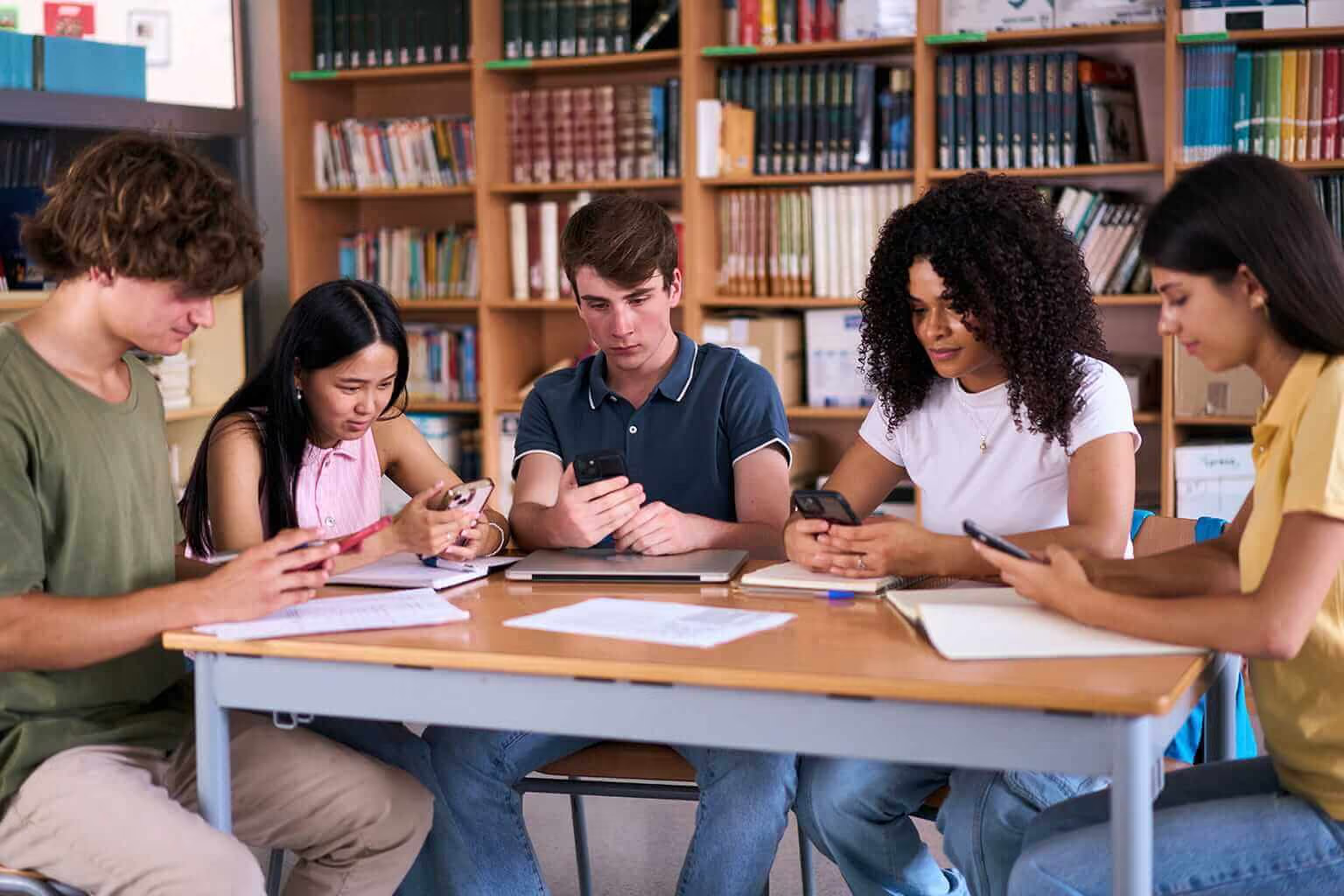
Screens are part of how students learn, communicate, and navigate their daily lives. But when a screen becomes the default way to engage, something important can get lost: time spent learning and connecting with other people.
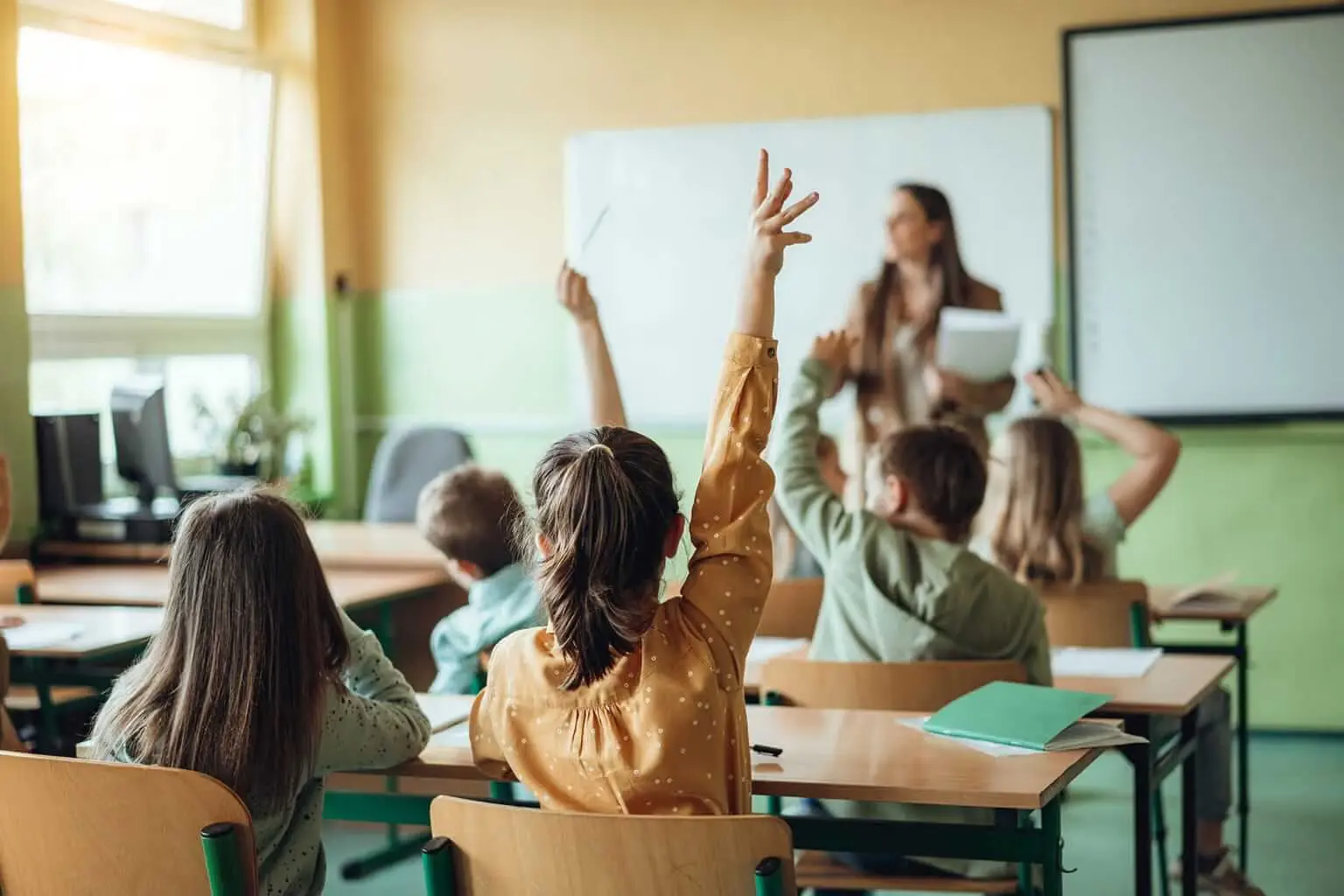
Educators see it every day in the classroom. A student struggles to stay focused during a discussion.
A group has trouble working through a disagreement.
Students are physically together, but meaningful interaction takes more effort. Schools are being asked to strengthen engagement, belonging, behavior, and school climate while also figuring out how technology should fit into the learning experience.
The answer isn’t to simply take technology out of the classroom entirely. The answer is to make sure students have enough opportunities to do what screens can’t: talk, listen, collaborate, solve problems, and practice the skills that help them navigate the real world around them.
So as schools rethink screen use, there’s a more useful question to ask: What are we giving students in return?
Students need opportunities to practice, not just consume
Technology can provide valuable ways to access information and support learning. But human skills aren’t developed through access alone:
- Students build communication by communicating.
- They build empathy by considering someone else’s perspective.
- They build collaboration by working through challenges together.
- They build self-management by practicing how to pause, regulate their emotions, and choose how to respond.
These skills develop through interaction and experience.
Skills are built through doing, not simply viewing
A student can watch a video about resolving conflict, but that doesn’t replace the experience of working through a disagreement with a classmate. Just like reading about active listening isn’t the same as listening carefully to someone with a different point of view.
Practice is what turns information into something students can use in their daily lives.
Human interaction supports more than relationships
When students have fewer opportunities to interact with one another, they also have fewer opportunities to strengthen the skills that support learning and life at school.
Attention grows when students practice staying present, listening, and engaging without constant digital stimulation.
Belonging grows through shared experiences and positive relationships with peers and trusted adults.
Communication develops when students have real opportunities to listen, express themselves, consider different perspectives, and work with others.
Positive behavior and school climate are strengthened when students know how to manage emotions, navigate conflict, and respond to others in constructive ways.
These outcomes are connected. When students can participate, communicate, manage challenges, and build relationships, they’re better positioned to engage in learning and contribute to a positive classroom community.
The goal isn’t to eliminate technology
For most schools, the conversation isn’t about banning technology. Digital tools can play a valuable role in teaching and learning.
The bigger question is whether technology is being used intentionally or because it’s the easiest way to fill another block of instructional time.
That’s a big distinction.
Schools need practical ways to create balance: using technology when it adds value and emphasizing human interaction when students need to apply the essential skills that depend on being together.
For educators, that shouldn’t mean adding another initiative to an already crowded day. It should mean having structured opportunities that make human skills practice part of what they’re already doing.
What does more human skills practice look like?
Practicing human skills can be surprisingly simple. It can look like students:
- Discussing a scenario with a partner
- Working through a problem in a small group
- Role-playing how to respond to a challenging situation
- Listening to another perspective and reflecting before deciding what to do next
A teacher can facilitate a conversation instead of assigning another digital activity. Students can practice responding to one another instead of simply receiving information.
These experiences give students something they can’t get from passive screen time: the chance to apply human skills with other people in real contexts.
That’s where a connected approach can make a difference.
Second Step® programs give educators structured, teacher-led opportunities for students to strengthen human skills through discussion, collaboration, reflection, role-playing, and real-world situations. Shaped by educators and designed to support easy implementation, this approach helps make meaningful practice part of the school experience rather than another task to add to the list.
Students aren’t just learning about human skills. They’re getting opportunities to use those skills every day.
More conversation. More collaboration. More practice. More human skills.
Ready to provide more skill-building opportunities?
See how Second Step programs offer a scalable solution for student success districtwide. And request a free demo to see how a connected approach could support behavior, belonging, and overall school climate across your schools.
Recent Posts
Better Problem-Solving Starts with Strong Human Skills
How Implementation Data Is a Window into What Works—and What Doesn’t