
Resource Library
Thank you! Your submission has been received!
Oops! Something went wrong while submitting the form.
Showing 100 items
From Curriculum to Impact: How Second Step® Programs Power Student Growth in K–12 Classrooms
Looking for ways to reclaim classroom potential and foster lasting student growth this school year? In this webinar, discover the latest innovations to Second Step® programs designed to enhance school climate and boost academic achievement. Find research- and evidence-based solutions to remediate issues like absenteeism, challenging behavior, school safety, and mental health concerns while fostering belonging, increasing educator well-being, and improving academics. Visit SecondStep.org to learn more about how school-based human skills programs can become a catalyst for transformation in your school community.
September 11, 2025
Webinar
District Leader
Webinar
Second Step family of programs overview
Human skills
Implementation resources
No items found.
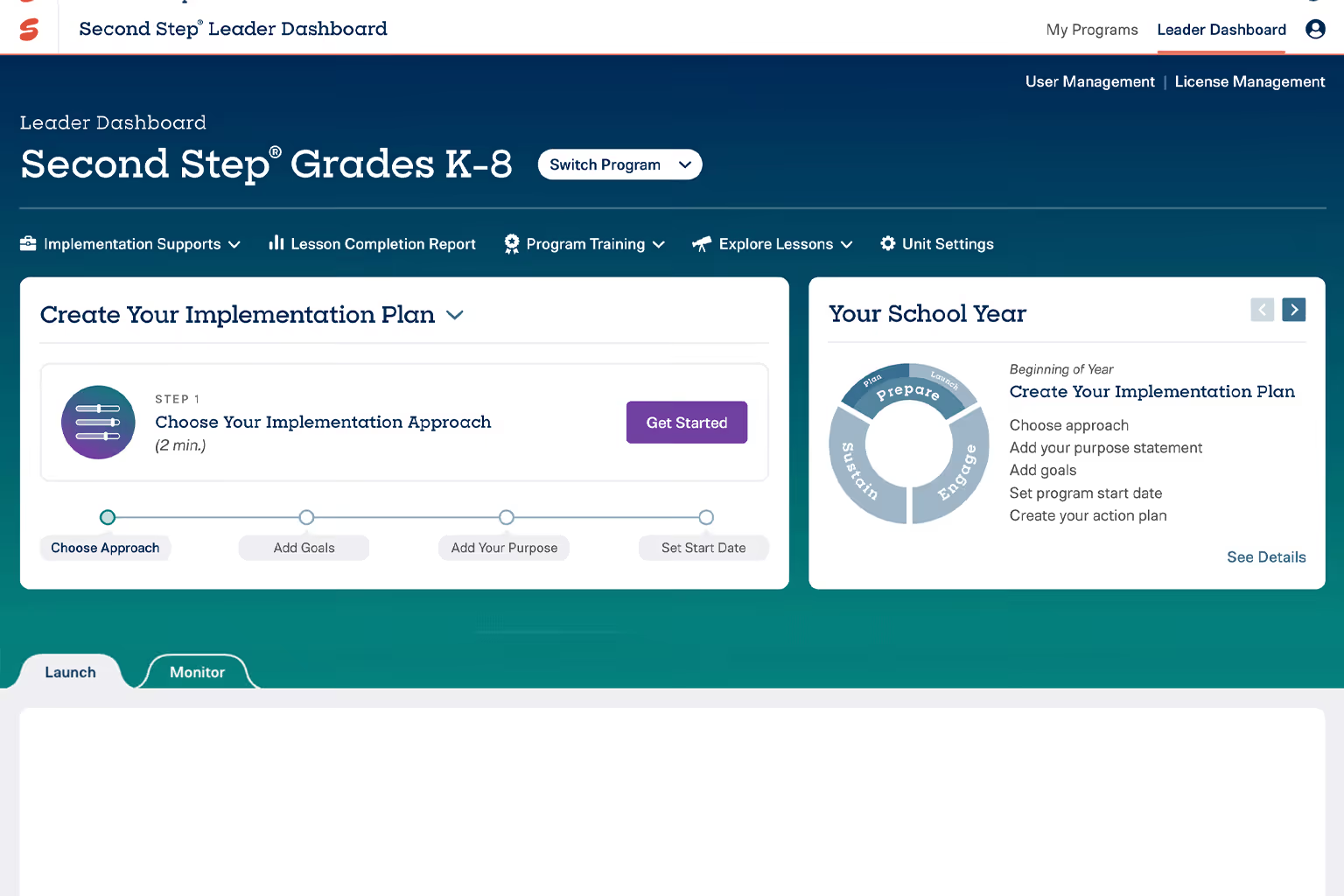
Mission Control for Student Success: How the Updated Leader Dashboard Fuels Schoolwide Growth
The updated Leader Dashboard is designed to enhance the planning and implementation process of your Second Step® program, propelling your school community to new heights.
September 10, 2025
Blog
School Leader
Blog
School climate
No items found.

4 Skills Students Need to Thrive in College and Careers
High school students urgently need human skills—such as communication, self-efficacy, and decision-making—that equip them for success no matter what the future holds.
September 3, 2025
Blog
School Leader
Blog
High school
Human skills
No items found.

Second Step® Tiered Interventions: Targeted Support for Students Who Need It
Does your student need more support? Second Step® Tiered Interventions give students the extra practice and confidence they need to succeed in school and beyond.
August 27, 2025
Blog
Educator
Blog
Tiered Interventions
Executive functions
Human skills
Current Second Step User
District Leader
Educator
School Leader

Proven to Make a Difference: Second Step® K–8 Digital Programs Are Now Evidence-Based
Independent studies confirm that Second Step K–8 digital programs strengthen students’ academic and emotional success.
August 20, 2025
Blog
District Leader
Blog
Human skills
Elementary school
Middle school
No items found.

Why Second Step® Programs Are an Essential Use of Title I Funds
Our evidence-based, K–8 digital human skills curricula are linked to improvements in academic motivation, attendance, and school climate, making them a strategic investment.
August 14, 2025
Blog
District Leader
Blog
Funding
Human skills
Second Step family of programs overview
No items found.

Helping Students Thrive in an AI World Starts with Human Skills
AI in education is everywhere, but it can’t teach empathy or resilience. Discover why developing human skills is the key to helping students thrive in today’s digital world.
August 12, 2025
Blog
Educator
Blog
Digital well-being
Human skills
Emotion regulation
No items found.
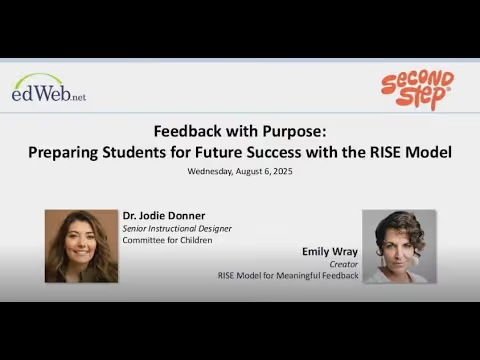
Feedback with Purpose: Preparing Students for Future Success with the RISE Model
Unlock the power of human skills to transform your students’ futures! Join us for an energizing edWebinar that reveals why leadership in higher education values skills like metacognition, adaptability, and empathy, even more than technical knowledge—and how you can build these skills right now in your high school classrooms. Dr. Jodie Donner, from Committee for Children, and Emily Wray, the creator of the RISE Model for Meaningful Feedback, share how to guide students in effective peer conversations, embed high-impact feedback loops, and accelerate skill growth across all content areas. You hear about ready-to-use strategies that empower students as they prepare for postsecondary success in college and career readiness. Educators, including classroom teachers, as well as school and district administrators—and all individuals committed to preparing students with the essential communication, collaboration, and critical-thinking skills necessary for postsecondary success—are strongly encouraged to view.
August 11, 2025
Webinar
Educator
Webinar
Communication
Confidence
Human skills
Current Second Step User
District Leader
Educator
School Leader