search
cart

Teach Children the Human Skills They Need to Thrive

Human skills help students succeed in the classroom and throughout their lives.

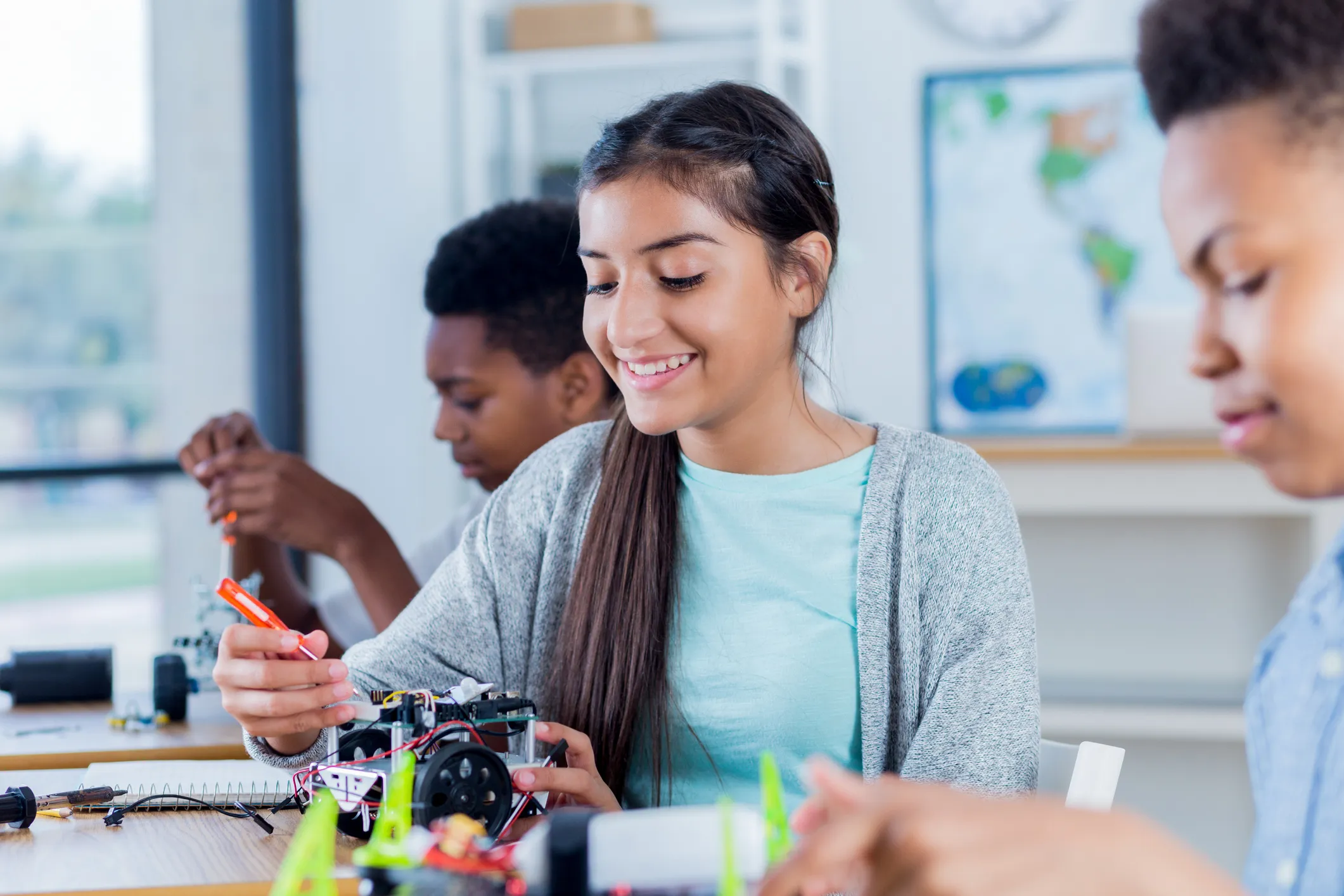
Diverse-Students-Studying-Happy

Skills for Everyday Success

Children need human skills to thrive both in the classroom and in life. Human skills teach children techniques to:

  • Gain confidence and resilience
  • Set goals
  • Make better decisions
  • Collaborate with others in work and play
  • Navigate the world more effectively
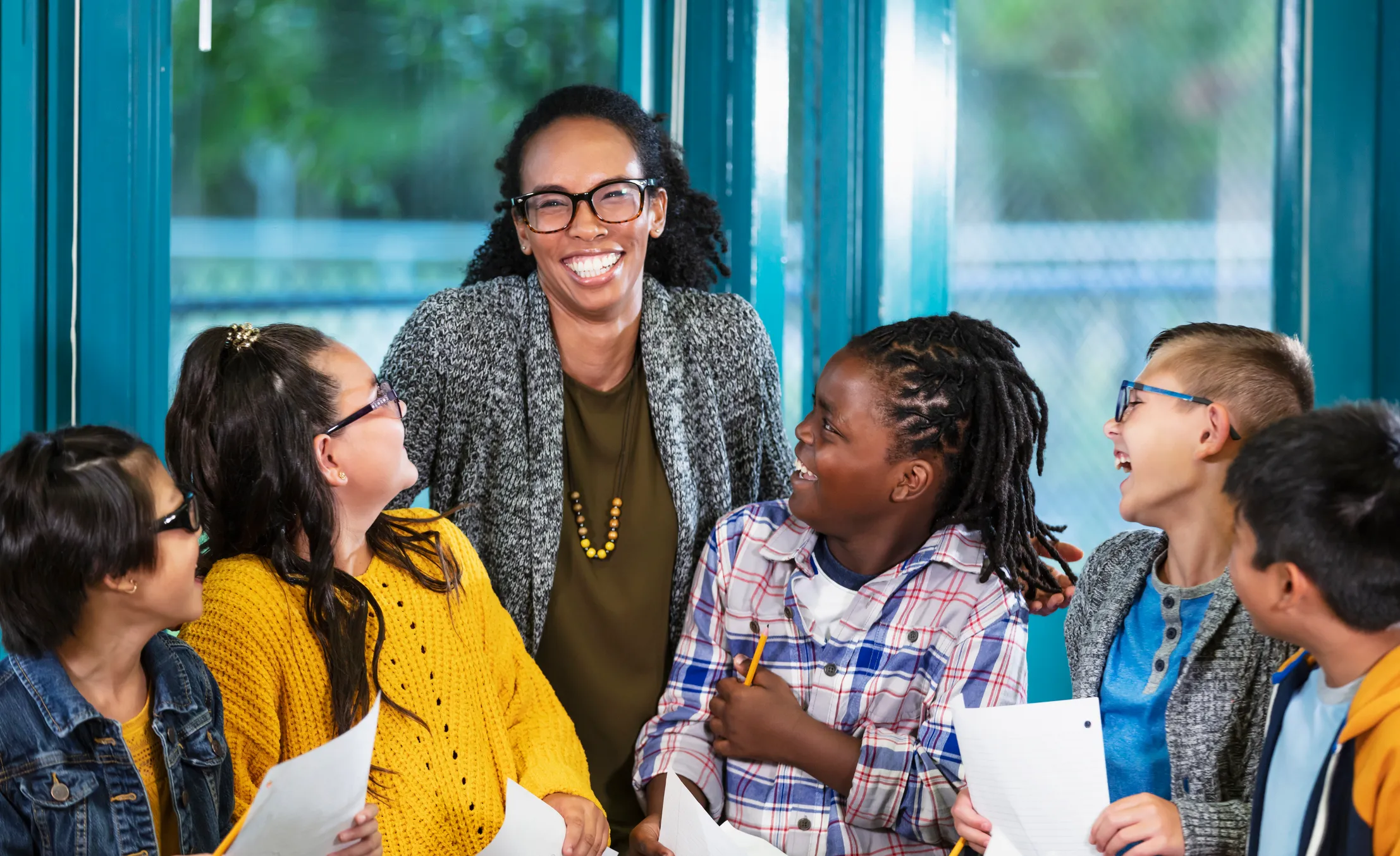
Teacher-Instructing-Classroom-Tabletop

Implementation Made Easy

Committee for Children’s research-based Second Step® programs give teachers an easy-to-implement, engaging way to teach human skills and concepts. Second Step programs are designed to help children thrive and be more successful in school—ultimately setting them up to be thoughtful and productive adults.

Human Skills: What They Are and Why They Matter

Learn more about the positive benefits of human skills and why they matter for all students.
Watch Now

The Purpose of Human Skills: Let’s Be Clear

Teaching human skills isn’t about feel-good activities. It’s not psychotherapy or an attempt to parent kids. Nor is it a substitute for core academic subjects such as math, science, or literacy.

  • Cooperation
    Cooperation
  • Communication
    Communication
  • Decision Making
    Decision-Making
  • Instead, human skills provide an extra dimension to education, focusing on improving cooperation, communication, and decision-making. In a world where emotional intelligence is critical for lifelong happiness, successful careers, and healthier relationships, human skills give students a framework they need to thrive.

    Documented Benefits of Human Skills Development

    Decades of research have demonstrated the benefits of human skills development. A short list of research findings includes the items below.

    In a meta-analysis of 213 school-based human skills programs, participants demonstrated significantly improved social and emotional skills, attitudes, and behavior, as well as an 11-percentile-point gain in academic performance. [1]

    Children who are socially and emotionally competent have more friends and more connections with positive peers, and are less likely to be rejected, isolated, or bullied. Children with friends are happier and more successful in school. [2]

    Empathetic children with good perspective-taking skills are less likely to be physically, verbally, or indirectly aggressive toward peers. [3]

    Children’s social relations affect their feeling of connectedness at school, which affects their sense of academic competence. [4]

    The social-emotional competence of students is an important component of effective bullying prevention. [5]

    Human skills interventions show an average return on investment of $11 for every dollar spent. [6]

    teacher with students sitting on floor

    Human Skills Can Be Learned

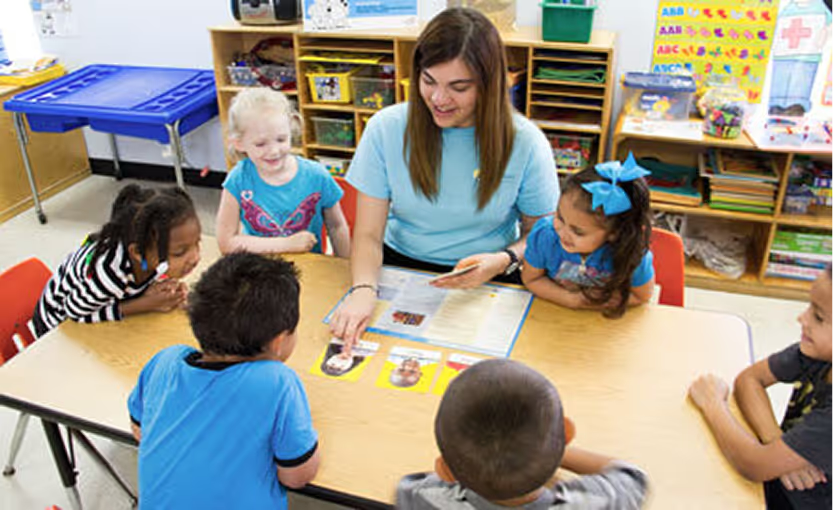
    Children learn human skills in a variety of ways, including the behavior they see modeled by the adults in their lives. But human skills and concepts can also be taught explicitly in the classroom, in much the same way math or reading is taught.

    How Human Skills Are Taught in the Classroom

    • The teacher explains a concept with words, pictures, video, and/or audio
    • Students practice the concept through skill practice, group discussion, individual writing, or partner work
    • The teacher continues reinforcing the concept throughout the week
    • The teacher sends information home for students to work on with parents
    • The teacher checks for understanding
    • The teacher re-teaches where necessary

    Human Skills Promote Workforce Readiness

    Increasingly, business leaders are listing emotional intelligence and collaborative skills alongside technical savvy or subject-matter mastery in their key recruitment criteria. But how exactly do human skills translate to the workplace?

    Today’s fast-paced occupations require the critical skills Second Step programs teach, including:

  • sel-overview-empathy
    Empathy
  • sel-overview-emotion-management
    Emotion Management
  • sel-overview-emotion-recognition
    Emotion Recognition
  • sel-overview-problem-solving
    Problem-Solving
  • sel-overview-impulse-control
    Impulse Control
  • Feeling Calm
  • sel-overview-communication
    Communication
  • sel-overview-assertiveness
    Assertiveness
  • Human skills give children an advantage in making their career dreams a reality. Download our guide, “Pathways to Possibility: Second Step® High School College and Career Readiness.”

    How Second Step® Programs Can Help

    With more than 20.5 million children currently participating each year, Second Step programs are the premier human skills curricula in the nation. We help educators create success in their schools and districts.

    See How
    1. Durlak, J. A., Weissberg, R. P., Dymnicki, A. B., Taylor, R. D., & Schellinger, K. B. (2011). The impact of enhancing students’ social and emotional learning: A meta-analysis of school-based universal interventions. Child Development, 82(1): 405–432.
    2. Collaborative for Academic, Social, and Emotional Learning. (2007). Background on social and emotional learning (SEL). Chicago: University of Illinois at Chicago.
    3. Kaukiainen, A., Bjorkqvist, K., Lagerspetz, K., Osterman, K., Salmivalli, C., Rothberg, S., et al. (1999). The relationships between social intelligence, empathy, and three types of aggression. Aggressive Behavior, 25, 81–89.
    4. Guay, F., Boivin, M., & Hodges, E. V. E. (1999). Predicting change in academic achievement: A model of peer experiences and self-system processes. Journal of Educational Psychology, 91, 105–115.
    5. Smith, B. H., & Low, S. (2013). The role of social-emotional learning in bullying prevention efforts. Theory Into Practice, 52(4), 280–287. doi:10.1080/00405841.2013.829731
    6. Belfield, C., Bowden, B., Klapp, A., Levin, H., Shand, R., & Zander, S. (2015). The Economic Value of Social and Emotional Learning. New York: Center for Benefit-Cost Studies in Education, Teachers College, Columbia University.

    Back to list of documented benefits