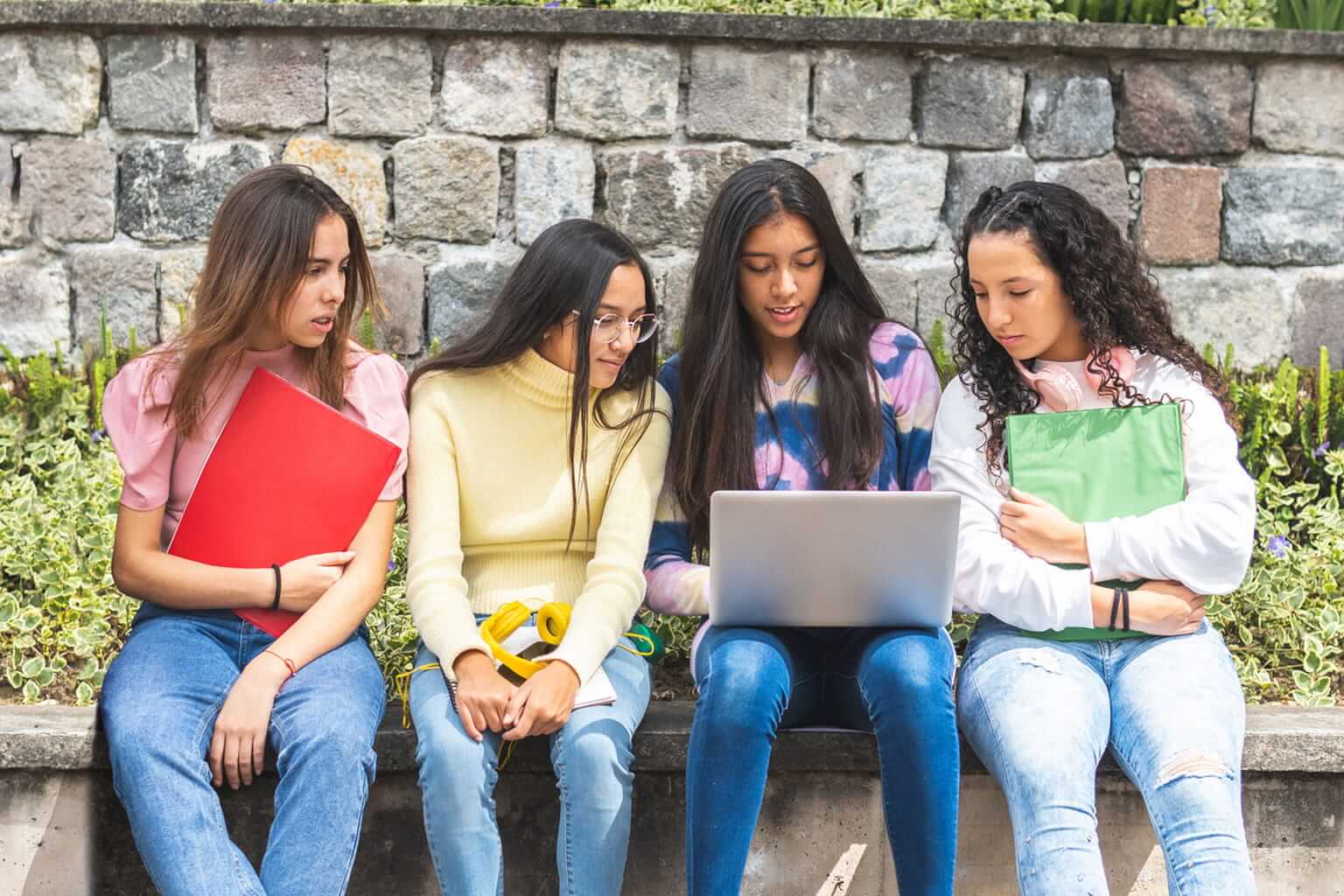
The Power of Human Skills in Education and Athletics

School and sports have always gone hand in hand. What makes that connection so powerful? For starters, the skills kids build in the classroom aren’t just academic, and the skills they develop on the field or court aren’t just athletic.
Human skills—such as resilience, empathy, emotion management, and communication—are essential for success in both sports and school. They give kids the tools to navigate challenges, collaborate effectively, and grow from experience. The teamwork, social awareness, and perseverance kids practice in sports strengthen the very same skills that help them succeed in the classroom—and in life.
Sports offer a structured environment for kids to continue learning outside of school, while school helps them apply what they’ve learned back on the field. With a healthy balance between the two, school and sports form a connection where each supports and reinforces the other.
Game-changing strategies for human skills development
Sports and school share a common thread: they’re emotionally charged, socially complex, and full of opportunities for growth. Both on the field and in the classroom, kids face challenges that build resilience, confidence, and connection. When frustration or conflict arises, so do chances to learn problem-solving and empathy.
Second Step® programs help students develop these essential human skills—skills that drive success in academics, athletics, and life. Here are five ways sports strengthen those skills, plus practical strategies for teachers and coaches to reinforce them every day.
1. Sports build teamwork and collaboration
Teamwork is one of the first lessons kids learn in sports—and one of the most important. In basketball or soccer, passing comes before shooting. In baseball or softball, throwing comes before hitting. Even in individual sports like swimming, cross country, or gymnastics, each athlete’s performance contributes to the success of the team. Sports teach kids to balance personal effort with collective goals and to trust that everyone has a role to play.
In school, teamwork goes by other names—collaboration, cooperation, or group work—but it’s just as essential. When kids learn to share responsibility, listen to others, and contribute to a shared outcome, they strengthen one of the most valuable human skills there is.
Coaching tip: After each practice or game, encourage athletes to recognize a teammate’s contribution out loud in front of the team.
2. Sports build resilience—and resilience fuels growth
Sports give kids the opportunity to fail safely. In missing a shot or losing a game, they learn how to bounce back, adapt, and try again. Building resilience isn’t just about “toughing it out”—it’s about developing a mindset that meets challenges with flexibility and optimism. Good coaches, like good teachers, know that growth comes from reflection and persistence. They create environments where kids can make mistakes, learn, and try again without fear of failure.
In the classroom, this same principle appears in “low-stakes failure,” giving students manageable opportunities to make mistakes and learn from them. Practice, scrimmages, and revisions all serve the same purpose: to build confidence and perseverance for the moments that matter most.
Teaching tip: After a challenging test or project, invite students to reflect on what strategies worked and what didn’t. Framing setbacks as information, not failure, helps them see resilience as a skill they can build.
3. Sports teach constructive communication
Communication in sports looks a bit different from communication in the classroom. It’s faster, more physical, and often much louder. Hand signals, short phrases, and quick feedback are essential. But sports also require more thoughtful communication, such as talking through mistakes, encouraging teammates, and receiving feedback from coaches.
Through sports, kids learn how to express themselves clearly, listen actively, and communicate under pressure—skills that translate directly to schoolwork, group projects, and daily interactions with peers.
Coaching tip: Before practice, ask players to set a communication goal for the session, such as “call out open passes” or “encourage each other after mistakes.”
4. Sports strengthen emotion management
Sports are physical, but they’re also deeply emotional. Excitement, nervousness, frustration, and joy can all show up in a single play. Learning to manage those emotions, especially in competitive settings, helps kids develop emotion regulation, patience, and empathy.
When educators and coaches support kids in processing those emotions—whether it’s a tough loss or an unexpected win—they help them build emotional intelligence that serves them in every area of life.
Teaching tip: Begin class with a quick emotional check-in—thumbs up, sideways, or down—or a short mindfulness moment before a big test or presentation.
5. Sports foster perspective
Competition is part of what makes sports fun, but winning and losing aren’t the whole story. Sports provide a safe space for kids to experience the ups and downs of effort and outcome. Kids learn to value teamwork, improvement, and perseverance just as much as results.
That perspective helps kids in school, too. They begin to see grades and test scores as part of a bigger picture—one that includes effort, learning, and growth.
Coaching tip: After games, debrief with questions like “What did we learn from today that we take into the next game?” Focusing on growth, not just outcome, helps athletes develop perspective and a healthy mindset.
Strengthening human skills that carry beyond the game
Both school and sports give kids space to practice being learners, teammates, and problem-solvers. By focusing on human skills like communication, resilience, teamwork, and emotion management, educators and coaches help kids connect lessons from the classroom to lessons from the field.
These skills are the glue that hold academics and athletics together, shaping confident, compassionate students who are ready to take on whatever comes next.
To learn how Second Step human skills programs can help your school community strengthen these skills for kids in any setting, request a free consultation today.
Recent Posts
What the Latest Evidence Says About Phone-Free Schools

5 Strategies to Solve the Funding Puzzle for Human Skills Programs