From Holiday Chaos to Classroom Calm: How Human Skills Help Students Thrive in January and Beyond

As educators know, January marks the start of high stakes learning: cumulative tests, state assessments, and performance benchmarks. After two weeks of loose schedules, late nights, and holiday fun, students and teachers return to heavier content and mounting pressure. Without strong coping and collaboration skills, students risk falling behind academically and emotionally. The result: stretched attention, rising stress, and uneven momentum. Teaching human skills—such as empathy, communication, resilience, growth mindset, and collaboration—offers a practical solution to smooth the transition and help everyone thrive.
Why January feels so tough
Extended breaks disrupt the routines—such as consistent sleep, predictable schedules, and steady practice—that scaffold learning. Educators frequently observe dips in focus, motivation, and performance as students rebuild academic habits, particularly for those already navigating organizational or learning gaps. Holiday periods also intensify stress through academic pressure, family dynamics, and routine disruptions precisely when school-based support systems may be less accessible due to closures.
The case for human skills instruction
Strong human skills are foundational to academic success. Research shows classrooms that intentionally teach these skills—like empathy, communication, and problem-solving—see measurable gains in test scores, engagement, and attendance, outcomes that district leaders track closely.
Bottom line: Teaching human skills supports both learning and mental wellness, which is exactly what January classrooms need.
Five research-backed moves to use this month
District leaders can empower educators with these research-based strategies that integrate human skills development into daily instruction without adding extra prep time.
1. Begin with a Check-In (Empathy + Emotion Regulation)
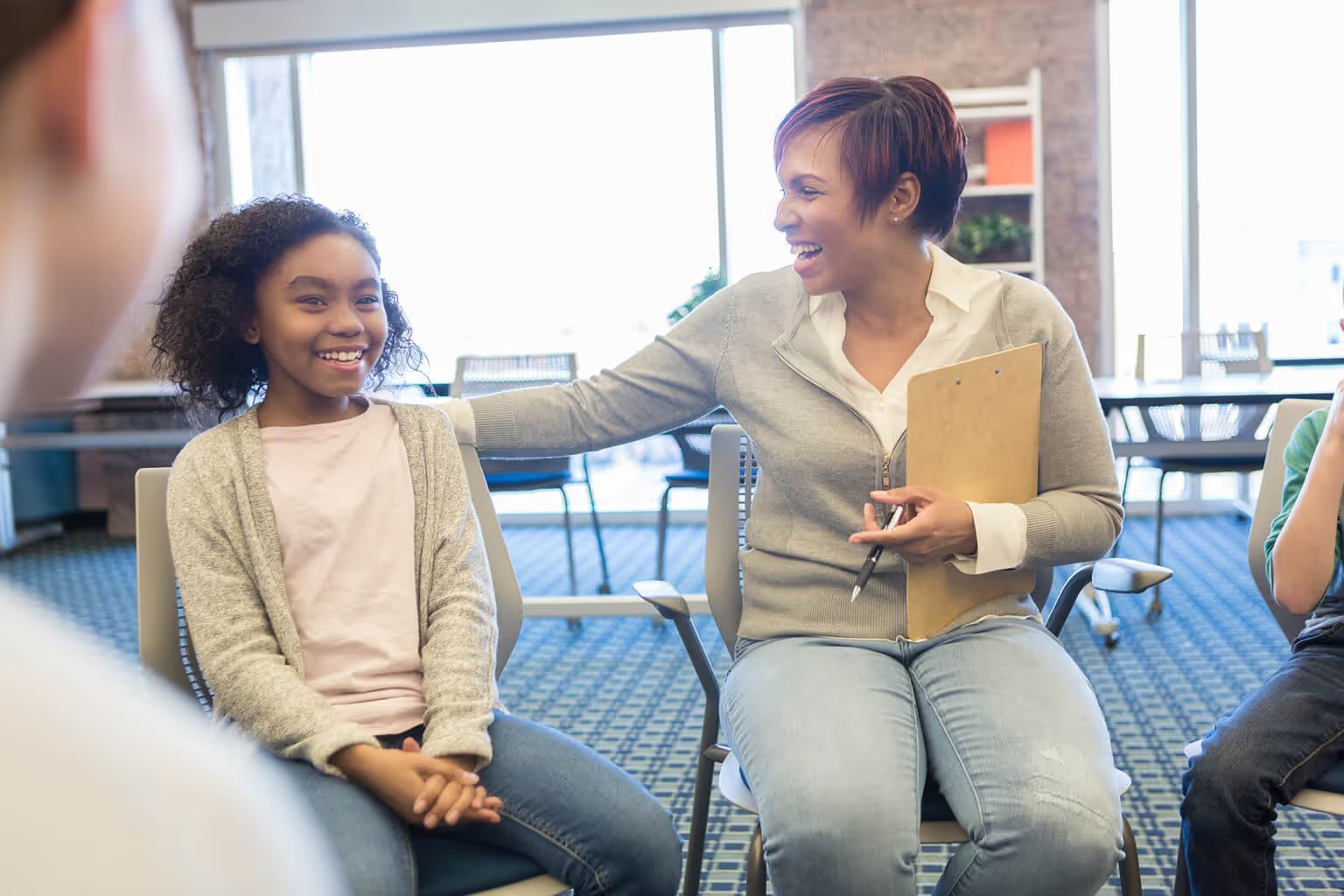
Start class with a quick emotional pulse, like a mood meter or a simple energy scale. These small moments help students feel seen and ready to learn. Research shows that even a one-question check-in can boost learning outcomes, and short wellness breaks like stretching or breathing exercises can improve focus and engagement.
Try this: “On a scale from 1 to 5, where’s your energy today? What is one action to move one notch toward ‘ready’?”
2. Chunk and Clarify (Communication + Executive Functions)
After a long break, big assignments can feel overwhelming. Help students regain focus by breaking large tasks into smaller, manageable steps. When goals are easy to understand and progress feels achievable, students build confidence and resilience, which are key ingredients for bouncing back after time away.
Try this: Turn a lesson review into three short “missions,” each with clear instructions and time estimates. Celebrate each completed step to keep momentum strong and motivation high.
3. Normalize Struggle and Coach Recovery (Resilience + Growth Mindset)
Mistakes are part of learning. Help students see setbacks as steps forward by guiding them through recovery strategies. Research shows that students participating in human skills programs show improved perseverance and self-efficacy, among other skills, reduced stress, and increased academic achievement.
Try this: After a test or quiz, guide students through a three-step recovery: What tripped me? What two actions will I take? When will progress be checked?
4. Offer Flexibility Pathways (Problem-Solving + Confidence)
Provide multiple ways for students to demonstrate learning, such as oral explanations, short videos, or problem sets, while keeping learning targets consistent. Universal, human skills interventions are linked to academic gains, including an 11-percentile improvement in achievement in a landmark meta-analysis.
Try this: Offer two different assessment options aligned to the same standards and allow students to choose the format that works best for them.
5. Leverage Peer Support (Collaboration + Kindness)
Learning feels easier when it’s shared. Create small, stable groups for review or problem-solving. Peer support builds belonging and connectedness, both of which can help improve students’ mental wellness and engagement.
Try this: Launch “January Review Crews” that meet twice weekly with rotating roles (facilitator, summarizer, checker) and a shared organizer for accountability.
Teacher empathy: Powerful and practical
Teacher empathy isn’t just a classroom climate booster. It’s linked to higher engagement and lower stress, which directly impact achievement. Demonstrating empathy through listening and supportive feedback creates a classroom climate where students feel safe to learn.
Practical takeaway: Demonstrate empathy consistently with check-ins, reflective listening, and feedback that names effort and strategy.
Benefits beyond January
As testing season approaches, human skills help learners handle pressure and manage stress, collaborate and work together successfully, and bounce back from challenges. But these benefits can extend far beyond January and the winter calendar crunch.
Try these quick wins to build momentum:
- Monday: Have a 30-second check-in and a two-minute stretch break.- Wednesday: Chunk a review into micro-wins with clear criteria. - Friday: Launch peer “Review Crews” with roles and a reflection prompt.
No overhaul required! Just weave human skills into familiar routines. Classroom culture can carry students further than any cram session ever could.
Do you want to learn about how Second Step® programs can help strengthen these human skills? Schedule a consultation with one of our experts today.
Recent Posts
How the Updated Second Step® Leader Dashboard Strengthens Goal-Setting for School Leaders

5 Things to Know About Our All-New Digital Well-Being Specialized Unit