


Create Successful Learners
Help Students Feel Safe, Supported & Ready to Learn
Related Stories
Give Students a Healthy Learning Environment
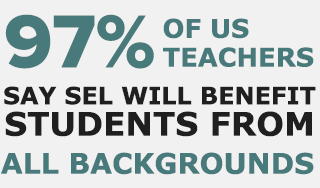
Socially-emotionally competent students have more positive attitudes toward themselves and others, show more positive social behaviors in school, and have fewer conduct problems.1 This results in greater school connectedness,2 which helps keep students safe and out of trouble.

Teach Skills and Concepts for a Lifetime of Learning
Becoming a successful learner isn’t just about academics. Second Step offers a social-emotional learning curriculum that supports the whole child. It teaches skills for resolving conflicts, working with others, forming healthy relationships, and making good decisions—so students can be more successful emotionally, socially, and academically.
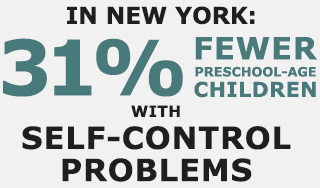
Address a Wide Range of Social-Emotional Needs
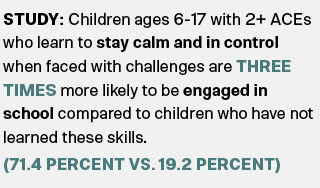
Students come to school affected by their home life, often including adverse childhood experiences (ACEs)3 that affect their behavioral health and readiness to learn. When schools implement universal social-emotional learning programs, the competencies students learn can support them and improve their ability to benefit from instruction.
- Durlak, J. A., Weissberg, R. P., Dymnicki, A. B., Taylor, R. D., & Schellinger, D. B. (2011). The impact of enhancing students’ social and emotional learning: A meta-analysis of school-based universal interventions. Child Development, 82(1), 405–432.
- Wilson, D. (2004). The interface of school climate and school connectedness and relationships with aggression and victimization. Journal of School Health, 74(7), 293–299.
- 2016 National Survey of Children’s Health (NSCH) http://nschdata.org/learn/nsch
Keep Exploring Stories Like This One



Questions?
What is Second Step?

Download Our Free Ebook
How Social-Emotional Learning Helps Children Succeed in School, the Workplace, and Life
This ebook features perspectives from a number of leading teachers, administrators, researchers, and education experts.
